 Broderic Fernow
Are Fuel Cards Worth It for Your Business?
 Broderic Fernow : Sep 9, 2025, 8:00:00 AM
Discover the advantages and disadvantages of fleet fuel cards to help you decide if fuel cards are worth it for your business.
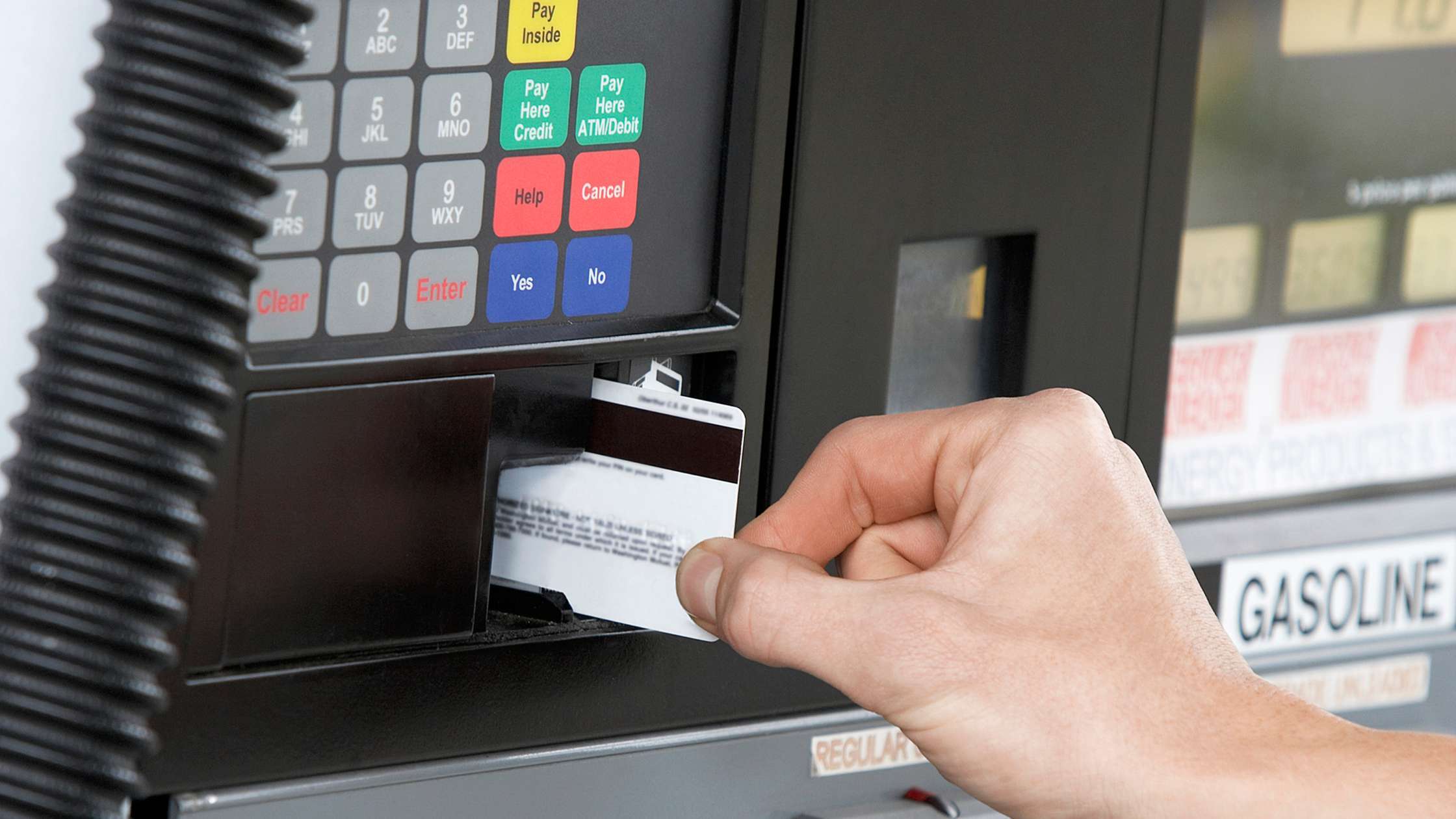
Choosing the right fuel card can have a big impact on your business in terms of operational efficiency and cost management of your fleet. Universal fuel cards stand out because they provide extensive acceptance at fueling locations across the country, offering unmatched flexibility for drivers and robust controls to manage spending. Whether you operate a handful of vehicles or oversee a large, multi-state fleet, universal cards streamline fuel management with spend controls, purchase alerts, and detailed reporting.
In this guide, we’ll compare the best universal fuel cards for 2026, outline their key features, and provide a step-by-step approach to help you select the best universal fuel card for your fleet.
Let’s start with a quick overview of the top universal fuel cards, followed by a detailed breakdown of their individual features, fees, discounts, and overall capabilities.
| Universal Fuel Card | Discounts | Monthly Fee | Late Fee | Locations | Trustpilot Rating (out of 5 stars) |
| Voyager | 3-8¢/gal at select locations | None | None | 97% of gas stations and truck stops | 4.8 |
| WEX | 3-15¢/gal at WEX nationwide savings network locations. 1-3¢/gal at other participating locations. Up to 8¢ with branded cards. | Up to $4 per card | 11.99% | 95% of gas stations and truck stops | 4.3 (WEX Capital) 1.4 (WEX) |
| Fuelman Mastercard | 3¢ per gallon | $59 for the account | 17.99% | Anywhere that accepts Mastercard | 2.4 |
| Coast | 4-10¢/gal at select locations | $4 per card | 2.5% | Anywhere that accepts Visa | Not available |
| AtoB | Estimated 45¢/gal at truck stops; estimated 5¢/gal at gas stations | $3-6 per card | 9% | Anywhere that accepts Mastercard | 4.7 |
| RoadFlex | 2¢/gal at all locations; up to 25¢/gal at select partner locations | $3 per card, additional fee for premium features | 3% | Anywhere that accepts Visa | Not available |
| Motive | Up to 21¢/gal at 35,000 stations | $5 per card | 5% | Anywhere Mastercard is accepted | 1.5/5 |
A universal fuel card is a type of fleet fuel card that can be used to purchase fuel at nearly every fueling station, not just a single brand or a limited network. This broad acceptance means your drivers have reliable access to fuel wherever their routes take them. Because of their flexible coverage, universal fuel cards are adaptable to fleets of any size, vehicle type, or industry, supporting local, regional, and nationwide operations.
The Voyager fuel card is accepted at over 97% of gas stations and truck stops nationwide, covering both major brands and independent stations. Its broad acceptance, easy-to-use features, and ability to scale with your fleet make it one of the best options for businesses of any size and across any industry.
Key Features:
Discounts: 3-8¢ per gallon at select locations
Monthly Fee: None
Late Fee: None
Customer Trustpilot Rating: 4.8 out of 5 stars
The WEX fuel card is accepted at about 95% of gas stations and truck stops, making its network nearly as large as Voyager’s. WEX also issues branded cards on behalf of select gas station chains, which may enable fleets to secure discounts when fueling at those specific locations.
Key Features:
Discounts:
Monthly Fee:
Late Fee: 11.99%
Customer Rating on Trustpilot: 4.3 (WEX Capital) and 1.4 (WEX) out of 5 stars
Fuelman is a widely recognized fuel card provider. The Fuelman Mastercard serves as their universal card option with acceptance at any location that accepts Mastercard payments.
Key Features:
Discounts:
Monthly Fee: $59 for the account
Late Fee: 17.99%
Customer Rating on Trustpilot: 2.4 out of 5 stars
Coast is a fintech company offering a fuel card with nationwide acceptance through the Visa network. Its platform and customer portal are designed to accommodate fleets of all sizes and industries. A potential issue, however, is that Coast requires drivers to use a mobile app at the pump to authorize purchases, which may present challenges for some users who prefer more traditional payment methods.
Key Features:
Discounts:
Monthly Fees: $4 per card
Late Fee: 2.5%
Customer Rating on Trustpilot: Not available
AtoB is another fintech company, but its fuel card offers nationwide acceptance through the Mastercard network. While the card can be used by both business and trucking fleets, the more significant savings occur at truck stops, making it more advantageous for over-the-road trucking operations.
Key Features:
Discounts:
Monthly Fees:
Late Fee: 9%
Customer Rating on Trustpilot: 4.7 out of 5 stars
RoadFlex is a fintech company offering a fleet card built for broad acceptance and flexible fleet management. Instead of working like a traditional fuel card, it functions more like a business charge card, accepted anywhere Visa is accepted, giving construction crews more purchasing flexibility.
Key Features:
Discounts:
Monthly Fees:
Late Fee: 3%
Customer Rating on Trustpilot: Not available
The Motive fuel card is a modern fleet card with nationwide acceptance anywhere Mastercard is accepted. It offers discounts of up to 21¢ per gallon at 35,000 locations. Since Motive is known for its telematics platform, the fuel card is a strong fit for fleets already using Motive GPS.
Key Features:
Discounts:
Monthly Fees:
Late Fee: 5%
Customer Rating on Trustpilot: 1.5/5
Universal fuel cards are accepted almost anywhere, enabling drivers to conveniently refuel along their routes without going out of their way. In contrast, cards with more limited networks may require drivers to deviate from their routes in search of a fueling location, resulting in added labor time and fuel costs.
Universal gas cards for business allow you to manage expenses by restricting purchases to fuel only and applying controls for driver spending. Administrators can customize rules by driver or vehicle—such as setting daily, weekly, or monthly dollar limits, defining approved fueling times, limiting the number of transactions per day, and specifying which states are authorized—all to ensure fuel spend aligns with your business policies.
Universal gas cards provide discounts that aren’t always available with other payment methods like credit cards. While the per-gallon discount may seem modest, these savings can add up quickly, often totaling hundreds or even thousands of dollars annually for businesses.
Each swipe of the card captures critical details such as driver and vehicle identification, odometer reading, fuel product, gallons, and amount purchased. This comprehensive data makes it easy to track fuel usage, monitor MPG, run IFTA reports, and allocate expenses by job, department, or project.
Universal fleet cards eliminate the need to chase down receipts or enter transactions by hand, automatically organizing your fuel data into clear, detailed fuel reports. With just a few clicks, you can export everything necessary for fuel expense tracking, IFTA compliance, or tax preparation and upload it directly into your accounting system for faster, more accurate reconciliation.
Asking employees to pay out of pocket for fuel and then submit reimbursement requests creates unnecessary administrative work for businesses. Universal fleet fuel cards remove this burden by allowing fuel purchases to be made directly, eliminating reimbursements and saving your team hours each month.
When evaluating a universal fuel card, confirm that all fueling locations are treated as “in-network” for cardholders. Some card providers advertise widespread acceptance but classify certain stations as “out-of-network,” resulting in additional per-gallon or per-transaction fees that can increase your fuel costs.
Spend controls are essential for keeping fuel costs under control. Choose fuel cards that allow you to restrict purchases to fuel only and set specific parameters, such as dollar limits, number of daily transactions, and approved fueling times or days. The tighter the controls, the easier it is to prevent employee misuse or fraud.
Select a fuel card that captures Level 3 data for every transaction, including driver and vehicle details, odometer reading, number of gallons, fuel type, date, time, purchase amount, and fueling location. This level of detail supports accurate expense tracking, IFTA filing, and MPG monitoring, and allows you to quickly identify inefficiencies or unauthorized activity.
Closed loop fuel cards such as Voyager and WEX consistently provide Level 3 data because their networks mandate that information from every merchant. By contrast, open loop Visa and Mastercard fleet cards may only capture basic Level 1 data at stations, so you could lose access to essential fleet reporting and controls depending on where fuel is purchased.
Fraud protection is a critical feature of universal fuel cards, yet coverage can vary from provider to provider. Some cards rely on mobile two-factor authentication, while others incorporate EMV chip technology to help prevent unauthorized use. Regardless of the method, it’s important to choose a card that not only blocks suspicious transactions, but also offers fraud reimbursement should an incident occur.
To streamline administrative tasks, choose a fuel card that offers integration with your accounting or telematics software. Accounting integrations automate transaction imports, enabling faster and more accurate monthly reconciliations. Telematics integrations give you a complete picture of fuel spend, MPG, and vehicle activity.
The best fuel card management systems are designed for ease of use. Administrators should be able to quickly order or deactivate cards, adjust driver limits, and access key reports or invoices in just a few clicks without navigating cumbersome menus or unnecessary tools.
Start by reviewing your recent fuel transactions or receipts to identify which fueling stations your drivers visit most frequently. Once you have this information, compare universal fuel card programs to determine which ones provide the most advantageous discounts and terms at your preferred locations.
Review each card’s fee schedule carefully to understand the real monthly cost for your fleet. Most providers make their fees available on their account application or website so that you can see what charges are possible before you sign up. If that information is unavailable, that's a red flag.
Third party reviews are a good way to see what it’s really like to work with different fuel card providers. By reading through customer feedback, you can better understand the level of customer support, recurring issues, and the benefits other businesses have experienced.
The online customer portal serves as your central hub for managing cards, viewing transactions, and generating essential reports. It’s important to make sure the portal meets your needs and is easy to use. Request a demo from a sales representative or take a self-guided tour to experience how the fuel card portal operates firsthand.
Fraud protection is easy to overlook until you experience fraud with one of your fuel cards. Ask about the fraud protection and reimbursement policies for each card to ensure your business is covered in the event of unauthorized charges.
The best universal fuel card for your business will ultimately depend on your fueling locations, operational needs, and preferred card features. By following the step-by-step process outlined above for how to choose a universal fuel card, you can confidently identify the universal fuel card that best aligns with your requirements.
With most universal fuel cards, you’ll pay for the fuel your drivers purchase, along with any applicable fuel card fees. Refer to the fuel card comparison table at the beginning of this guide for a quick overview of monthly fees, and be sure to review each card provider’s full fee schedule to identify any additional charges before signing up.
Closed loop fuel cards operate on proprietary fuel networks, requiring Level 3 purchase data for every transaction. This ensures you consistently receive key fleet details such as driver name, vehicle description, and odometer readings whenever fuel is purchased.
In contrast, open loop fuel cards run on Visa or Mastercard networks and may offer broader acceptance but won't always provide Level 3 data. Many locations only provide basic Level 1 purchase data, which means you could miss essential transaction details and lose certain fuel card controls at those sites.
P-Fleet’s Voyager fuel card gives you nationwide acceptance at 97% of gas stations and truck stops, making it easy for your drivers to fuel up . Every transaction captures critical data, including driver, vehicle, odometer, and gallons, giving you insights to monitor fuel efficiency, detect irregularities, and enforce fueling policy compliance.
Comprehensive spend controls and an intuitive online portal enable your team to restrict purchases, manage spending limits, and generate IFTA reports with just a few clicks. Whether you oversee a small or large fleet, Voyager scales with your business needs to help you control fuel expenses. Ready to try the P-Fleet Voyager card? Complete our online Voyager fuel card application in minutes to get started today.
 Broderic Fernow : Sep 9, 2025, 8:00:00 AM
Discover the advantages and disadvantages of fleet fuel cards to help you decide if fuel cards are worth it for your business.
 Broderic Fernow : Jul 10, 2026, 8:06:09 AM
Compare the 10 best diesel fuel cards of 2026. Find the top programs for fleets, owner-operators, and truckers to save money at the pump.

 Kira Odlozil : Jun 12, 2023, 3:38:30 PM
Fuel cards for small business offer potential cost savings and features to manage employees. Here are some helpful tips to consider before signing up.