Get to know the best fuel card programs available.
The right fuel card makes it easier for your company to track spending, access discounts, and reduce costs. With P-Fleet fuel cards, you can set custom spending limits, track each purchase, and avoid fees.
Fuel card comparison
Overview
Cards for fleet fueling are sometimes referred to as fuel credit cards, gas cards, fuel cards, or fleet cards, but they're all designed for the same purpose, which is to help businesses control diesel and gas purchases.
By providing access to convenient locations, reducing unauthorized spending, and enabling expenses to be tracked easily, fleet management fuel cards are an essential tool for owner-operators, businesses and trucking companies. Below, we summarize a few of the best fuel cards and the pros and cons of different card types.
Universal fuel cards
Universal cards, such as Voyager or WEX, are some of the best fuel cards for companies that value convenience. With access to over 90% of all fuel locations in the U.S., drivers can easily find gas or diesel when they need to fill up.
These cards provide purchase controls to limit fueling by the time of day, day of the week, number of transactions and spend per day, week or month. Level III data is captured at 99.5% of sites, so you know the card number, dollar amount, gallons, fuel type, date, time and location for each purchase. Discounts are often limited to the largest fleets and may include fees, so check your customer terms and conditions carefully.
Pros
- Universal acceptance
- Optional maintenance
- Purchase controls
- Level III data
Cons
- Limited discounts
Fuel credit cards
Business fuel credit cards are affiliated with vendors like Visa or MasterCard and are often issued by companies like Comdata, Fleetcor or US Bank. Unlike traditional credit cards, purchases can be restricted to gas stations and other merchant codes. While purchase controls are present, they normally can't be adjusted with the same specificity as the controls on universal or cardlock cards.
In addition, 5-10% of fuel sites lack the technology to capture Level III data and provide consistent purchase controls that are often essential for effective fleet management.
Pros
- Universal acceptance
- Optional maintenance
- Level III data
Cons
- Limited discounts
- Gaps in controls
- Gaps in data capture
Major oil fuel cards
Many major oil companies offer co-branded cards with a rebate or discount at their own gas stations. However, because these cards are intended to drive traffic to their own brands, the number of sites available to customers can be less than other options.
These discounts or rebates are often capped at a certain dollar amount, limited to a set number of gallons or only available during the first few months once a customer signs up. Carefully review the fine print on rebates and discounts before applying. Purchase controls should be similar to universal cards but can vary significantly among card providers.
Pros
- Rebates or discounts (qualifying purchases)
- Purchase controls
Cons
- Limited to a specific brand
- Rebate amounts capped
- Fees can offset rebates or discounts
Cardlock network cards
The Commercial Fueling Network (CFN) and Pacific Pride are the two largest cardlock networks in the U.S. with sites designed to accommodate commercial vehicles.
Often, sites are conveniently located near major freeways and within metro areas. They usually include features like high-speed fueling and satellite pumps so that drivers can refuel quickly. Many fleet managers prefer these card options because of the potential discounts as well as the industry-leading controls.
Using cardlock network cards is advantageous for controlling what your drivers can purchase once they reach a fuel site. Whether you want to set restrictions on how much can be purchased to match tank capacity, the type of fuel your drivers can purchase or the hours of the day drivers are allowed to make a purchase, you gain significant control and oversight of your operations with a cardlock network card.
CFN cards offer access to over 3,000 discount fuel sites nationwide, with many locations in the West. Trucking and business fleets can expand coverage by adding access to 57,000 retail stations and truck stops. However, while these extra retail locations offer greater convenience, they normally don't facilitate discounted prices.
Pros
- Discount pricing
- Industry-best controls
- Sites for larger vehicles
- Level III data
Cons
- Limited retail acceptance
- No discounts at retail sites
- No maintenance
Over-the-road cards (OTR cards)
OTR cards are accepted at various truck stop brands across the U.S. These cards are ideal for long-haul trucking operations. The larger tank capacity of trucks means drivers can go farther before stopping to refuel. They don't need access to as many fueling locations as other drivers of vehicles with smaller tanks.
Although they can get by with fewer locations, long-haul truckers often need access to truck stops with various driver services and amenities like restaurants, showers and overnight parking. Some OTR cards enable drivers to pay for these services.
While OTR cards might offer discounts on fuel, some cards charge transaction fees and other account fees. Another potential issue is that OTR cards are well-known for having lower credit limits and shorter billing terms than other payment options, so carefully review the fine print before signing up.
Pros
- Truck stop discounts
- Driver services
Cons
- Limited number of sites
- Transaction fees can offset discounts
- Shorter credit terms
Not sure which fleet card is right for you?
Our team can help you determine which card is the right fit for your needs.
Benefits of using a fuel card
-
Save driver time
When choosing the best fleet fuel card for your company, consider which products will help drivers minimize refueling time. How drivers and vehicles are utilized is an important factor that can be easily overlooked. Here are some ways that cards can help increase fleet efficiency:
- Access to major and independent brands along routes
- Mobile apps to find the closest locations
- Pay at the pump instead of inside
- High-speed fueling for trucks with large fuel tanks
-
Reduce fuel costs
A common priority for fleet managers is to reduce the price per gallon their company pays. Fuel is often one of the largest expenses that commercial fleets incur, along with vehicle costs and driver wages. There are various ways fleet management fuel cards can help cut costs:
- Discounts on fuel at select locations
- Universal acceptance to shop across brands
- Dyed diesel for equipment, exempt of road taxes
- Tax exemptions for government fleets and ag haulers
-
Curb unauthorized spend
It is important to set ground rules for drivers so they understand how fuel cards should be used and when purchases should be made. Outlining specific fueling guidelines for your drivers as part of a driver fuel card policy is a good place to start.
Common behaviors to discourage include filling personal vehicles, purchasing non-fuel convenience store or maintenance items, and purchasing higher grades of fuel than is necessary. To minimize risks, implement the following:
- PINs or driver IDs for all cards
- Purchase restrictions that match normal employee usage
- Gallon limits that match vehicle tank capacity
- Dollar limits per day, week and month
- Email alerts to identify suspect behavior
-
Streamline accounting
Fleet fuel reports simplify the tracking and reporting of expenses for management and accounting teams. Essential reporting capabilities of card programs include:
- Department or GL code summaries that simplify the allocation of fuel expenses
- IFTA reports that detail usage by state and vehicle to simplify IFTA tax filings
- Reporting of miles per gallon and cost per mile based on odometer entries
- Off-road reports that summarize usage that qualifies for off-road refunds
-
Simplify fuel card management
Fuel card companies should provide customers with an online portal that allows fleet managers, administrators and business owners alike to simplify card management and track fueling. Features can vary but generally include:
- Invoices and statements available online or by email
- Access to daily transactions prior to invoicing
- Ability to modify or cancel cards
- Exception reporting to identify unauthorized fueling
Industry recommendations
Below are some recommendations for the best fleet fuel card for different fleets.
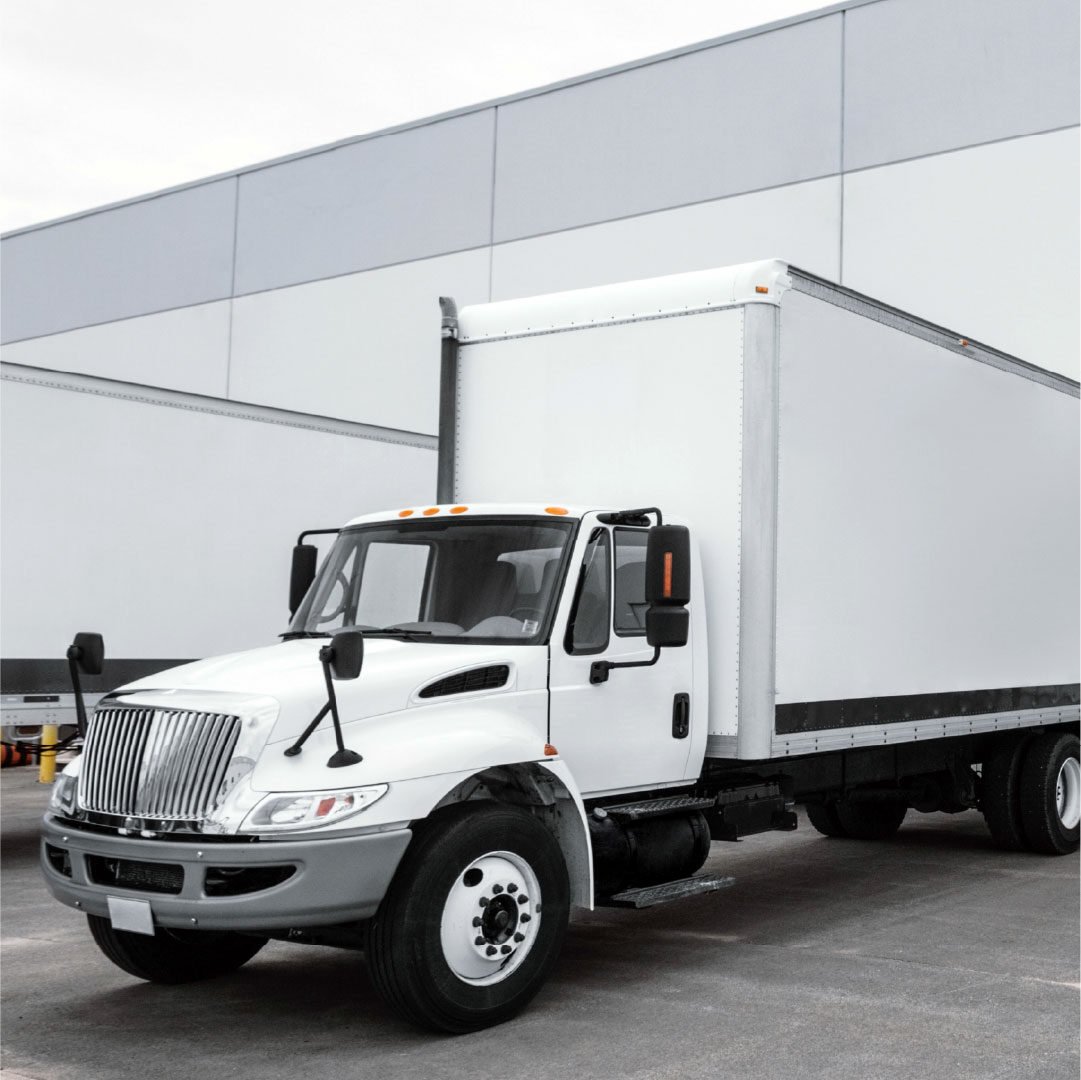
Fuel cards for trucking
A card program can be beneficial for any company that has a fleet of drivers and vehicles. However, certain industries, especially trucking, can have unique needs that differ from other businesses, and the card program that's implemented should accommodate those needs.
In addition to discounts, you'll want to compare other features like driver services and IFTA and ELD reporting that might be included.
Recommendation
Trucking companies normally need fuel cards with nationwide coverage and access to major truck stops. Because of this, we recommend an OTR card for long-haul trucking companies that operate across the U.S.
For local and regional trucking companies, however, there are more card options available when doing your fuel card comparison. You might consider the CFN card, which provides access to a discount network. Depending on where you operate, there could be more CFN sites than truck stops available, and the potential savings could be greater than an OTR card. Other features to consider are online access to manage cards and mobile apps to help drivers locate sites and identify site amenities.
Fuel cards for construction
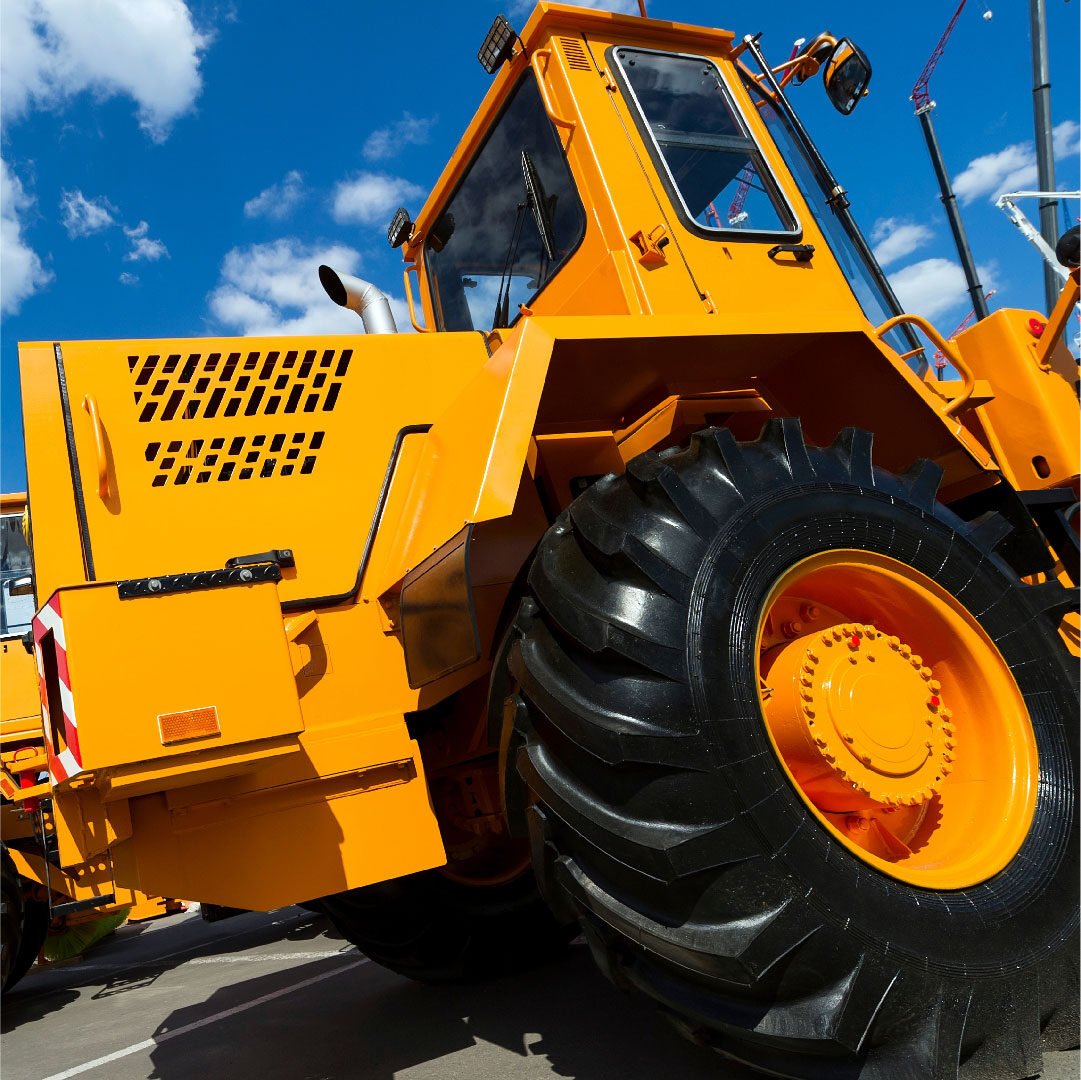
Construction firms need fuel cards that provide flexibility and access to various fuel products, especially if they're fueling off-road equipment. The best fuel card for construction companies depends on where you operate and the types of vehicles and equipment in your fleet.
Recommendation
If you're located on the West Coast, for example, a CFN card is recommended. Not only does it provide discounts, but many CFN cardlock locations also carry off-road diesel (dyed diesel) for equipment. If unavailable, ask your vendor about off-road fuel reports that can make it easier to submit fuel tax refunds for those gallons that were not exempted at the time of purchase but still qualify.
If your job locations vary by city or region, a universal card like Voyager or WEX is recommended because of their wide acceptance. While you might not have access to dyed diesel, you will have access to almost all retail gas stations, which is convenient. You'll also be able to set spending limits for cardholders and track company fueling online.

Fuel cards for business fleets
For business fleets with needs that can differ greatly by industry, it's difficult to pinpoint one recommended card option. Ultimately, it depends on which features you value most for your operations.
Recommendation
For businesses that prefer a broad network of fuel stations, including major and independent brands, a universal card like Voyager or WEX could be useful. For businesses that prioritize discounts and controls, the CFN card could be a fit, especially with retail acceptance that can be added on for flexibility. The good news is that most card options will provide easy-to-use reporting tools and enable you to set spending limits to control costs.
Companies in manufacturing, landscaping, distribution, moving, home repair and agriculture can all benefit from using a fuel card program. If you need help conducting a fleet fuel card comparison, let us know. Our team can review your fleet profile, routes and priorities to help you identify which card would be the best fit. Contact us today.
Frequently asked questions
These are common questions we hear about fuel card options.
-
What is the best diesel fuel card?
The best diesel fuel card depends on your business needs. Popular choices include the WEX or Voyager fuel cards for extensive acceptance at over 95% of U.S. fueling locations, ideal for fleets. The CFN fuel card offers discounts at cardlock locations and detailed reporting for IFTA compliance, making it great for commercial trucks.
For truck drivers, the Voyager fleet card provides access to most diesel locations and major truck stops with competitive savings. Evaluate acceptance, discounts, and reporting features to find the right card that maximizes savings and convenience for your fleet.
-
How do I choose the best card for my business?
Fuel companies are often the best resource for helping you choose the right product. Find a vendor that has a few different options for your type of fleet and allow their account specialists to assist you with making a well-informed decision. It’s best to seek advice from a professional who can evaluate the needs of your fleet drivers, helping you find a solution that gives you access to affordable fuel and vehicle maintenance.
-
Do fuel card programs have fees?
Yes, depending on the vendor. Some vendors charge multiple fees that can be costly. Other vendors charge few, if any, fees. When you're doing your evaluation, make sure to ask which fees will be charged, under which conditions and whether there is an Annual Percentage Rate (APR) for the account.
Be aware that some vendors offering rebates will charge fees for account setup, program administration, late payments and ordering cards. These could offset the rebate being offered, so do your research before you open an account.
-
Are there minimum purchase requirements for an account?
It's not uncommon for vendors to require a minimum volume to open an account, although the volume can vary by vendor.
Many card providers also specialize in business accounts, which means individuals might not qualify, unless you're an owner-operator or trucker. Be sure to confirm the requirements early in your decision-making process.
-
How do fuel card companies make money?
Most fuel card companies earn a percentage of the pump price from merchants when cardholders make a purchase using their cards. However, some companies also charge transaction fees and miscellaneous account fees to their customers.
Ideally, the fuel card company you select has few fees, if any. Make sure to check the terms and conditions before signing up.
Resources for fleet managers and small businesses
The Federal Motor Carrier Safety Administration
A complete database of the laws and regulations for U.S. Commercial Driving Companies
The IRS Trucking Tax Center
Information for owner-operators and small businesses
Owner-Operator Independent Drivers Association
An advocacy group dedicated to representing truck drivers and owner-operators
The American Trucking Association
Promotes highway safety, security, environmental sustainability and profitability
FleetOwner
The information source for commercial truck fleet operations, equipment and technology
Automotive Fleet Comparison
A comprehensive guide to compare commercial card details with estimated operational costs
Off Road Diesel Locations
Find locations that provide off road/red dyed diesel.
Gasbuddy.com
Find the lowest fuel prices in your area and monitor fuel pricing trends.
P-Fleet’s Blog
Keep up to date with the latest industry news and best practices.
Compare Fuel Cards To Find The One That Fits Your Fleet
Determine the best card for your company based on the size of your fleet, locations, discounts and fees.
How To Secure Your Fuel Purchasing
Once you have your cards up and running, you can adjust your restrictions and alerts to prevent fraud or misuse.
How To Reduce Unauthorized Charges With Driver Monitoring
Quickly spot irregular fueling with driver monitoring and alerts.
How To Choose Between Driver and Vehicle Cards
Learn the difference between driver and vehicle cards.