8 Fleet Management Metrics That Actually Matter
 Kira Odlozil : Apr 10, 2024, 3:33:08 PM
What are the fleet management KPIs you should be tracking? ✅ Read our blog to learn more about important fleet management metrics and how to track...
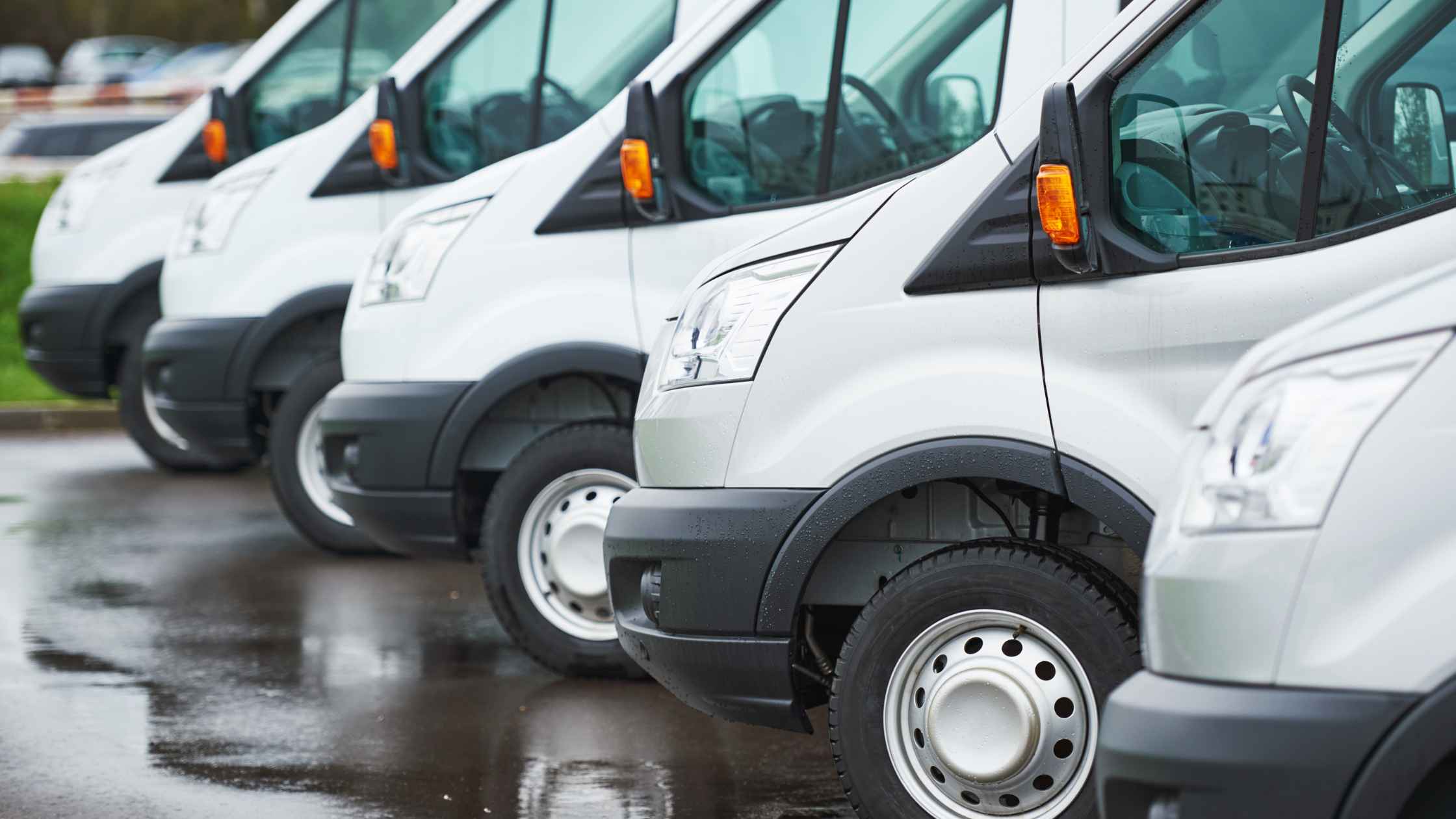
Fleet management has become an essential tool for businesses that rely on transportation, whether it's moving goods from point A to B or offering services to customers. But what is fleet management and what does it entail? It encompasses a combination of techniques, software, and best practices to help organizations optimize fleet performance, reduce operating costs, and improve overall efficiency. In this blog post, we will explore the ins and outs of what it means to manage a fleet, the benefits, and why it's crucial for businesses today.
It's the process of coordinating, organizing, and overseeing an organization's vehicles to maximize efficiency and productivity while minimizing costs. It encompasses various tasks, including vehicle acquisition, maintenance, tracking, driver management, fuel management, and regulatory compliance. These responsibilities aim to ensure the proper use of resources, compliance with legal requirements, and the safety and well-being of drivers and passengers.
Knowing what is a fleet manager and how essential that role is for fleet success is important for business owners. Fleet managers ensure vehicles are properly maintained and running at optimal performance while drivers follow safety protocols. They're also in charge of scheduling regular vehicle maintenance, performing inspections, staying up-to-date on DOT regulations, implementing safe driving policies and managing vehicle inventory. Successful fleet managers have strong organizational skills and the ability to stay on top of industry trends and technologies.
So, what is a fleet management system? It's a system designed to help businesses manage their fleet of vehicles efficiently. Fleet administration systems typically include a range of features, such as real-time tracking of vehicles, automated scheduling of maintenance and repairs, and reporting tools for analyzing data and identifying areas for improvement. They can be used by businesses of all sizes that rely on a fleet of vehicles for daily operations, such as transportation and logistics companies, construction firms, and delivery services.
By using this system, businesses can optimize their fleet operations, reduce fuel and maintenance costs, improve driver safety and performance, and increase overall efficiency. It also helps businesses to comply with regulations and ensure that their vehicles are well-maintained and safe to operate.
Now that we've defined the management of a fleet, you might be asking, what is fleet management software? Software designed to help manage a fleet usually offers a centralized platform for managing data so that users can gain insight into how their fleets really operate. Many fleet software programs help with processes including route optimization, maintenance scheduling, reporting, alerts, and visibility into vehicle data. Fleet software is a valuable tool for businesses to ensure the safety, compliance, and profitability of operations.
One of the essential aspects of managing a fleet is selecting the right vehicles for your business. This involves considering factors like vehicle type, fuel efficiency, reliability, and maintenance costs. Proper vehicle acquisition ensures that the fleet remains productive and meets the organization's needs, while disposal involves selling or replacing old or underperforming vehicles to keep the fleet up-to-date and cost-effective.
Regular maintenance and timely repairs are crucial to keep a fleet running smoothly and efficiently. Fleet managers must establish a preventive maintenance schedule, track maintenance history, and monitor vehicle performance to identify potential issues. A well-maintained fleet reduces downtime, lowers repair costs, and extends vehicle lifespan.
Vehicle tracking systems and telematics play a crucial role in managing a fleet. These technologies allow fleet managers to monitor vehicle locations, routes, fuel consumption, driver behavior, and vehicle performance in real-time. Telematics data can be used to optimize routes, reduce idle time, improve driver performance, and minimize fuel consumption.
Managing drivers is another critical aspect of overseeing a fleet. This includes ensuring drivers are adequately trained, licensed, and following company policies and regulations. Fleet managers should also monitor driver performance, provide feedback, and address any issues that arise. By doing so, they can improve driver safety, reduce the risk of accidents, and lower insurance premiums.
Fuel is often one of the most significant expenses for businesses with fleets. Efficient fuel management involves monitoring fuel consumption, implementing fuel-saving measures, and identifying areas for improvement. This can be achieved through route optimization, driver training, and the use of fuel-efficient vehicles. Partnering with a fuel card vendor can also be beneficial to help realize fuel management goals.
Fleets must comply with various regulations, including emission standards, safety requirements, and labor laws. Fleet managers must ensure that their vehicles meet these standards and that drivers follow the necessary rules and regulations. Non-compliance can result in fines, penalties, and even legal action.
One of the primary benefits of a good management system is the cost savings it can generate. By optimizing vehicle usage, reducing idle time, improving fuel efficiency, and minimizing maintenance and repair expenses, businesses can significantly lower their overall fleet operating costs.
An effective management system allows businesses to streamline their operations and improve overall productivity. By tracking vehicle locations and performance, fleet managers can optimize routes, reduce downtime, and ensure vehicles are used efficiently.
Improved driver and passenger safety is another benefit of an effective system in place. Monitoring tools for driver behavior, training, and ensuring vehicles are well-maintained are other essential advantages. This can lead to a reduction in accidents, lower insurance premiums, and a safer work environment.
It also contributes to environmental sustainability by promoting fuel-efficient vehicles, optimizing routes, and reducing idle time. These measures not only lower fuel consumption but also decrease greenhouse gas emissions, which is essential in today's environmentally conscious world.
The data gathered through fleet administration systems allows businesses to make more informed decisions about their fleet operations. This can include insights into vehicle performance, driver behavior, and overall efficiency. Armed with this information, companies can make strategic choices about vehicle acquisitions, maintenance schedules, and driver training programs.
It also plays a crucial role in improving customer satisfaction. By ensuring timely deliveries, efficient routes, and consistent service, businesses can meet their customers' expectations and maintain a positive reputation.
To implement a successful fleet program, businesses should consider the following steps:
Fleet management is an essential aspect of any organization that relies on transportation. By implementing a comprehensive fleet program, businesses can optimize their operations, reduce costs, improve safety, and enhance customer satisfaction. Investing in the right tools, training, and strategies can significantly impact a company's bottom line and long-term success.

 Kira Odlozil : Apr 10, 2024, 3:33:08 PM
What are the fleet management KPIs you should be tracking? ✅ Read our blog to learn more about important fleet management metrics and how to track...
 Kira Odlozil : Jun 26, 2023, 11:11:52 AM
Expense management is a critical aspect of a successful fleet. ✅ Explore best practices to streamline operations, reduce costs, and improve...
 Kira Odlozil : Feb 6, 2024, 2:29:55 PM
Looking for ways to improve your fleet’s fuel card management? ✅ Read our blog to learn the importance of fleet fuel management and how to improve it!