<img height="1" width="1" style="display:none" src="https://www.facebook.com/tr?id=114819295626675&amp;ev=PageView&amp;noscript=1">

7 min read

What Is Cardlock Fuel and How Does It Work?

What Is Cardlock Fuel and How Does It Work?

If your business operates commercial vehicles, traditional gas stations aren’t always the best place to fuel. Larger trucks can be difficult to maneuver through smaller fuel islands, pumps can be slower when filling large tanks, and retail stations may not offer the fuel controls or commercial fuel products your fleet needs.

Cardlock fuel stations are built specifically for commercial fleets. They typically offer wider fuel islands, high-speed diesel pumps, 24/7 access, and fuel products like dyed diesel and DEF. Cardlock fuel systems also give fleet managers more control over driver purchases and detailed transaction data to help track fuel spending.

In this guide, we’ll explain what cardlock fueling is, how a cardlock fuel system works, and the benefits it can offer your fleet. We’ll also cover how cardlock stations compare to retail gas stations, where to find them, and how to decide if cardlock fueling is the right fit for your business.

What Is Cardlock Fueling?

Cardlock fueling, also known as a cardlock fuel system, is a fleet fueling management system designed specifically for managers to track fuel expenses for their business vehicles. Drivers use a cardlock fuel card to access cardlock stations and purchase fuel instead of paying with cash or a regular credit card.

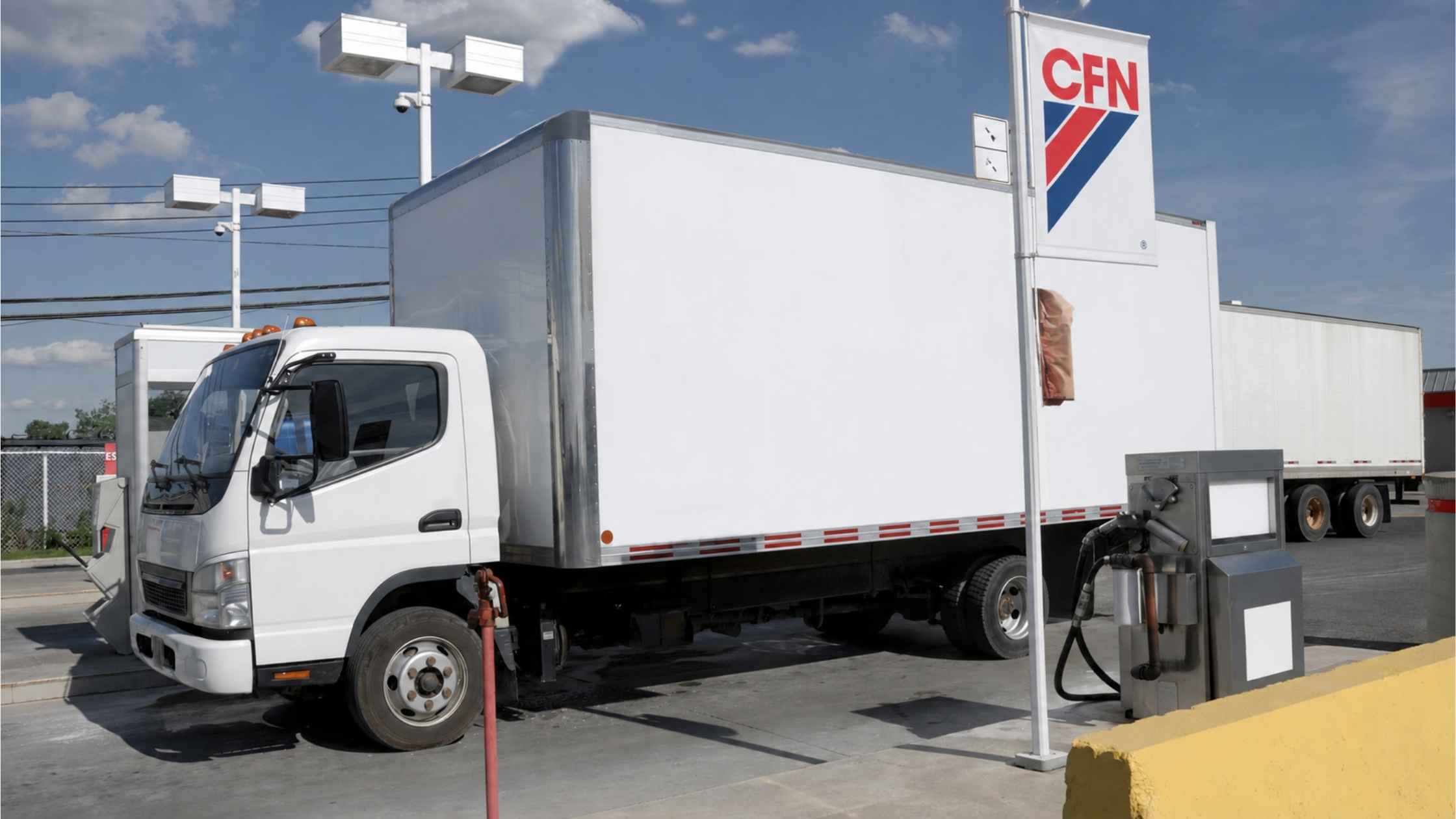
Unlike traditional gas stations, many cardlock locations are unattended and built to accommodate commercial vehicles like work trucks, delivery vehicles, and semi trucks. They often have wider fueling lanes, high-speed diesel pumps, and commercial fuel products such as dyed diesel, biodiesel, and DEF.

Cardlock fuel cards also give fleet managers more control over employee fuel purchases. Businesses can set spending limits, restrict fuel types, and track purchases by driver or vehicle. This makes cardlock fueling a good option for fleets that want convenient commercial fueling along with more control and visibility over fuel spending.

How Does a Cardlock Fuel System Work?

A cardlock fuel system works by requiring drivers to use an authorized fleet fuel card to access the pump and purchase fuel. Unlike a traditional gas station, most cardlock locations are unattended, so drivers can fuel without going inside or interacting with an attendant.

The process typically works like this:

  1. Driver swipes the fuel card: The driver uses their assigned card at the card reader to start the transaction.

  2. Driver enters required information: Depending on how the account is set up, the driver may need to enter a PIN, driver ID, vehicle number, or odometer reading.

  3. The system authorizes the purchase: The cardlock system checks the account’s fuel controls to make sure the purchase is allowed.

  4. Driver fuels the vehicle: Once approved, the pump is activated and the driver can begin fueling.

  5. Transaction data is recorded: After fueling, details like gallons purchased, fuel type, location, driver, vehicle, and total cost are sent to the fleet manager’s online account.

This gives businesses more control over employee fuel purchases while also making it easier to track fuel spending by driver and vehicle.


What are the Benefits of a Cardlock Fuel System?

Cardlock Fuel Stations Are Built for Business

Fleets

Retail gas stations aren’t designed for commercial traffic. Larger vehicles can be difficult to maneuver through smaller fuel islands, and some stations restrict commercial vehicles altogether. Drivers may also have to wait for other vehicles or find an available diesel pump, which can add time to each fuel stop.

Retail pumps are also designed primarily for cars and SUVs, so filling larger commercial fuel tanks can take longer. Add in time spent inside the convenience store, and a routine fuel stop can quickly become less efficient. For fleets with multiple drivers, that lost time can add up which adds to your operational cost.

Here's how cardlock fuel stations are built for businesses:

  • Cardlock fuel stations are open 24/7: Unlike a retail station that might close at night, cardlock fuel stations are accessible 24/7 for fleets that operate around the clock.

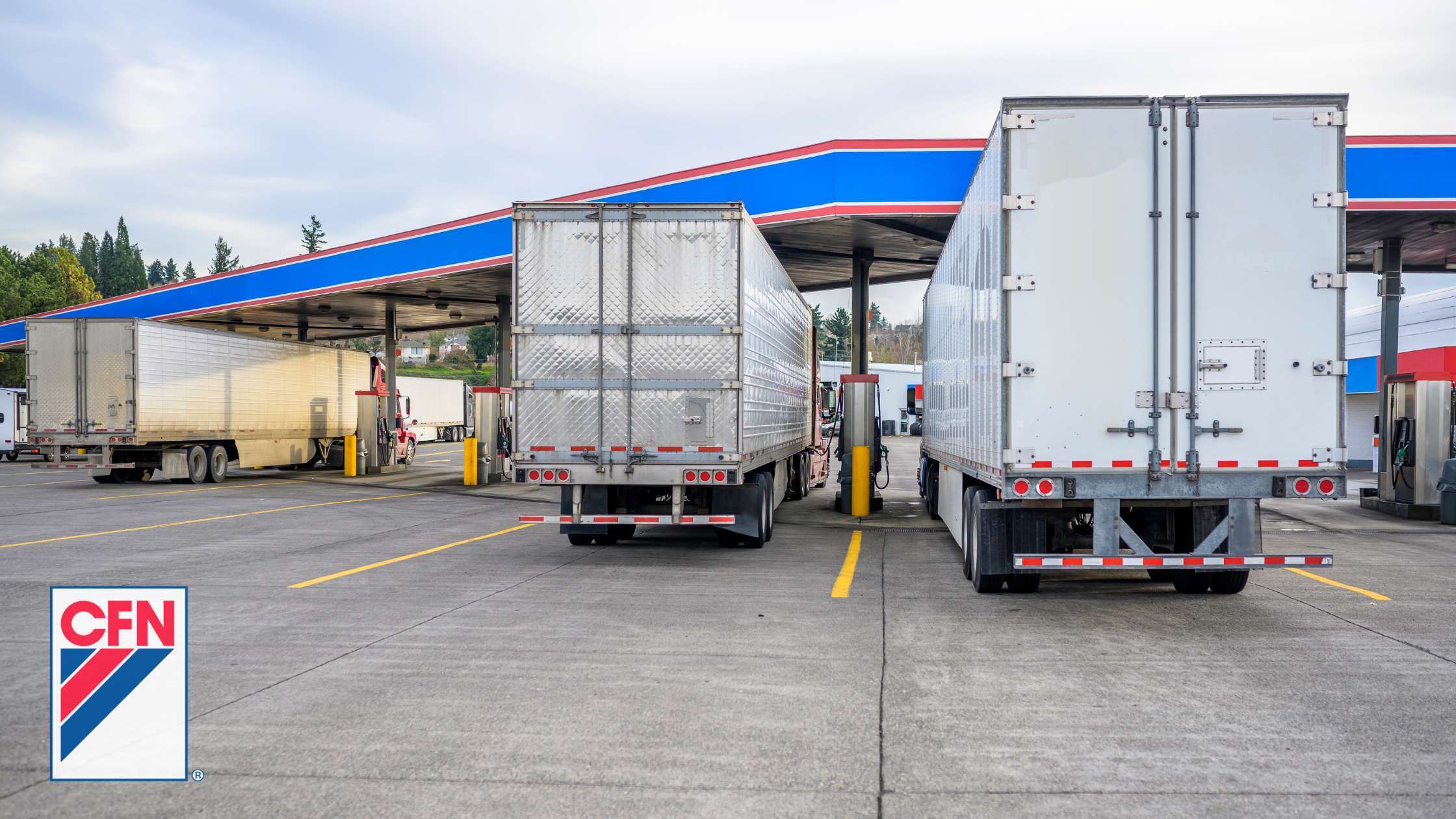
  • Cardlocks can accommodate large commercial vehicles: Sites are built for large trucks, offering wider fuel islands so that entering and exiting a site is easier. They enable more efficient fueling to save driver time. There normally isn't a convenience store to distract drivers because the goal is to help drivers fuel quickly so they can get back on the road.

  • Many cardlocks have high flow diesel pumps: Filling up trucks is easier because of high-speed dispensers that release diesel fuel at a faster rate than gas station dispensers. This is especially important for drivers who need a large number of gallons with each transaction.

Cardlock Fuel Systems Have Purchase Controls

Because cardlock locations require a fuel card to make a purchase, fleet managers can take advantage of card controls to manage company fueling and minimize expenses. Fleet fuel cards, even those that provide access to retail gas stations and truck stops, typically have purchase controls available, but what makes cardlock fuel systems more appealing is that their purchase controls are more robust.

Unlike a gas station that has unleaded and diesel products accessible from the same card reader and pump, a cardlock has designated pumps for unleaded, diesel and dyed diesel, among other fuel products. This gives fleet managers greater control of driver activity and allows product restrictions (e.g., diesel only, regular unleaded only) to be implemented.

In addition to fuel type, fleet managers can also set limits for transactions per day, gallons per transaction (to match tank capacity), time of day and days of the week when fueling should occur. They can even get notified by email when a specific driver makes a purchase. All of this is designed to manage employee fueling.

Get Cost-Plus Pricing at Cardlocks

Fuel prices at cardlocks are based on OPIS (Oil Price Information Service). Customers pay wholesale prices for unleaded and diesel, and rates adjust daily based on what the wholesale market is doing. This benefits customers long-term and especially on days when the cost of fuel drops because retail merchants are generally slower to adjust their prices.

With cost-plus pricing, customers tend to pay less than what most gas stations and truck stops charge, depending on market conditions. And because unleaded and diesel are usually unbranded, customers aren't paying extra for unnecessary fuel additives that some retail brands use.

Manage Your Cardlock Account Online

Most cardlock fuel systems give customers online access to manage their account. This provides a number of benefits. Customers can view and download transactions, invoices and reports. This is useful for accounting teams that need to track company expenses or prepare fuel tax refund filings that require the exact number of gallons purchased, which vehicle they were purchased for, and where and when the purchases occurred.

For fleet managers, online management allows them to monitor, update and order fuel cards, as well as track driver usage. They gain greater insight into fuel activity to prevent misuse or even theft.

How Is a Cardlock Station Different than a Retail Gas Station?

A retail gas station is built for the general public, selling mostly unleaded and on-road diesel for everyday vehicles. A cardlock station is built for business fleets. It still offers unleaded and diesel, but it often carries additional commercial products such as off road diesel and DEF, and it’s designed around fueling commercial vehicles efficiently.

Many cardlock locations aren’t open to the general public. You need a fleet fuel card to activate the pump. These sites usually have larger fuel islands, higher-flow pumps, and are part of a broader commercial network so fleets can fuel consistently whether they operate locally, regionally, or nationwide.


Which Fuel Products Are Available at Cardlock Stations?

Cardlock locations offer several different products that can be purchased by cardholders. The fuel is usually unbranded, but the chemical composition is the same as what you would buy at gas stations and truck stops. It's just generic and doesn't contain branded additives that some gas station chains use for marketing purposes. The available products can vary by location, but many sites offer the following:

  • Unleaded (regular, midgrade, premium)
  • Diesel
  • Biodiesel
  • Dyed diesel
  • DEF
  • CNG/LNG
  • Oil

Where Are Cardlock Fuel Stations Located?

Most cardlock fuel stations are concentrated in the Western U.S., particularly in California, Arizona, Nevada, Oregon, Washington, and Idaho. In several of these states, there are actually more 18-wheel-accessible cardlock locations than traditional truck stops.

Two of the largest cardlock networks are the Commercial Fueling Network (CFN) and Pacific Pride, both of which have a strong presence throughout the West Coast and surrounding states.

Find cardlock fuel stations near you:

Is Cardlock Fuel Cheaper?

Based on the markets we track in our CFN fuel price report, we typically see cardlock fuel prices around 10¢ to 35¢ per gallon lower than average retail prices for gasoline and diesel, with diesel savings generally being higher than gas savings. Savings vary by location and market conditions, but many cardlock networks use cost-plus pricing based on the wholesale cost of fuel plus taxes and a fixed markup.

P-Fleet customers can also use our CFN fuel price map to view fuel prices at CFN locations nationwide.

Which Types of Fleets are a Good Fit for Cardlock Fueling?

Cardlock fueling can benefit fleets of all sizes, whether you operate a single truck or manage a mixed fleet of vehicles with multiple drivers. Because sites are designed for commercial vehicle access, trucking companies are an obvious fit (no pun intended), but there are many fleets that can benefit from the use of cardlock locations. Any company or organization that operates large vehicles, like semi trucks or buses, for example, will be able to fuel more efficiently with access to larger fuel islands and high-speed dispensers.

Construction companies that need to fuel off-road equipment can access dyed diesel, which is a helpful way to reduce fuel expenses. And even if you don't have large vehicles or equipment, cardlock fuel systems enable companies with cars, SUVs and vans to implement thorough controls over employee fueling. In short, there are many fleets and industries that can benefit from cardlock fueling, but here are a few.

  • Trucking
  • Transportation
  • Distribution/Delivery
  • Moving
  • Construction
  • Manufacturing
  • Landscaping
  • HVAC
  • Plumbing
  • Agriculture
  • Government

How to Get Started with Cardlock Fueling

If you think cardlock fueling would be beneficial for your business, you'll need to sign up for a program like the CFN fuel card that is accepted at cardlocks. Start by contacting a vendor that can issue the card to you. Because accounts are commercial and not for consumers, you'll need to be operating as a business, sole proprietor or owner-operator.

Your vendor will have information about fueling locations so that you can check coverage in cities and states along your routes. (As a customer, you can download a mobile app to locate nearby sites or request a driver map book with a list of site addresses.) Your vendor can also provide a fuel price quote for current unleaded or diesel rates in specific cities where you plan to refuel. Once you're ready, you'll need to complete a fuel card application to get approved for an account.

Is Cardlock Fueling Right for Your Business

Cardlock fueling can be a good option for businesses that operate commercial vehicles and want more control over fuel spending. Since cardlock stations are built specifically for commercial fleets, they offer larger fueling lanes, fleet controls, detailed reporting, and access to fuel products that may not be available at traditional gas stations.

Cardlock fueling may be a good fit for your fleet if you:

  • Operate commercial vehicles: Many cardlock stations are designed for work trucks, delivery vehicles, and semi trucks, with wider fueling lanes and high-speed diesel pumps.

  • Want more control over fuel purchases: Fleet managers can restrict fuel types and set limits by gallons, transactions, days of the week, and other criteria.

  • Need better fuel reporting: Cardlock transactions capture details like gallons, driver, vehicle, location, and purchase amount, making it easier to track and manage fuel expenses.

  • Purchase large amounts of fuel: High-speed diesel pumps can reduce fueling time for vehicles with larger tanks. Some cardlock networks also use cost-plus pricing, which can offer savings compared to retail prices.

  • Need commercial fuel products: Many cardlock stations offer products like dyed diesel, biodiesel, and DEF in addition to regular gasoline and on-road diesel.

  • Operate near cardlock stations: Cardlock fueling makes the most sense when locations are convenient to your fleet’s regular routes and operating areas.

Cardlock fueling may not be the best fit if your drivers rarely operate near cardlock locations or need the convenience and amenities of traditional gas stations. Some fleets use cardlock stations as their primary fueling option, while others use them alongside traditional gas stations and truck stops.

Ultimately, whether cardlock fueling makes sense for your business comes down to where your fleet operates, how much fuel you purchase, and how much control you want over driver spending.

CFN Cardlock: Why Business Fleets Choose CFN Cardlock Fuel Stations Over Retail Gas Stations

1 min read

CFN Cardlock: Why Business Fleets Choose CFN Cardlock Fuel Stations Over Retail Gas Stations

When it comes to fueling commercial fleets, CFN cardlock stations offer major advantages that retail gas stations simply can’t match. These sites are...

Read More
CFN FleetWide Fuel Card Program: How Fleets Save and Fuel Nationwide

1 min read

CFN FleetWide Fuel Card Program: How Fleets Save and Fuel Nationwide

For years, fleets faced a difficult choice: retail fuel cards offered broad station access but limited discounts, while traditional cardlock fuel...

Read More
Find the Best Fuel Card Prices for the Fuel Stations Your Fleet Uses

1 min read

Find the Best Fuel Card Prices for the Fuel Stations Your Fleet Uses

If you're searching for the fuel card with the best pricing, the answer depends on where your fleet buys fuel. Some fuel cards offer their strongest...

Read More