1 min read
7 Essential Tips for Effective Fleet Monitoring
Fleet monitoring is important for businesses that rely on a fleet of vehicles to carry out their operations. Having a simple and effective fleet...
What is a fleet truck and what makes it different than other vehicles? Fleet trucks are used for many purposes and come in different shapes and sizes. Each type of fleet truck is designed with a different use in mind, from delivering packages to hauling construction equipment. Whether you work as a commercial driver or manage truck fleet companies, you'll need to know what is a fleet truck and how it differs from personal vehicles. In this article, we'll explain what you need to know about different work fleet vehicle uses and how they can benefit your business.
A fleet truck, also known as a commercial truck or a work truck, is a vehicle designed for specific commercial purposes rather than personal use. Fleet trucks are powerful vehicles that are used in industries ranging from logistics and construction to agriculture and landscaping. These types of vehicle fleets come in different shapes and sizes and are made to meet specific demands and challenges.
Fleet trucks and commercial vehicles in general are normally used by businesses to transport goods, equipment, and materials, making them an important part of the supply chain. These vehicles are incredibly versatile and are categorized based on their design, purpose, and weight capacity. Here are some common types of fleet vehicles:
Knowing what is a fleet vehicle and the different types will help you decide which ones to use depending on your business needs. These vehicles can also bring other benefits like improving a company's brand image, collecting data, and helping overall business operations. Below are some other advantages that come with owning fleet vehicles:
A fleet vehicle provides a reliable means of transporting goods and materials, ensuring on-time deliveries and efficiency. Fleet vehicle companies can also customize vehicles to meet certain business needs which can increase operational efficiency and minimize downtime. If you also use a fleet management system, you can track vehicle usage, monitor maintenance schedules, and optimize routes, resulting in lower operating costs and improved fuel efficiency. Having a fleet under centralized control allows for better oversight and compliance with safety regulations as well. This can help business operations streamline processes and reduce risk.
Owning fleet trucks can improve a business's brand image in several ways. First, these vehicles can be used as advertisements by constantly promoting the company's name and logo wherever they go. This can help with increasing your company's visibility and recognition. Well-maintained vehicles also give a reputation of professionalism and credibility, which upholds the idea of a reliable and dependable business. Fleets can be customized to reflect the company's values and commitment to sustainability, eco-friendliness, or safety, which can resonate with your customers. Owning a fleet vehicle is not just about logistics but can be used as a smart and convenient marketing strategy.
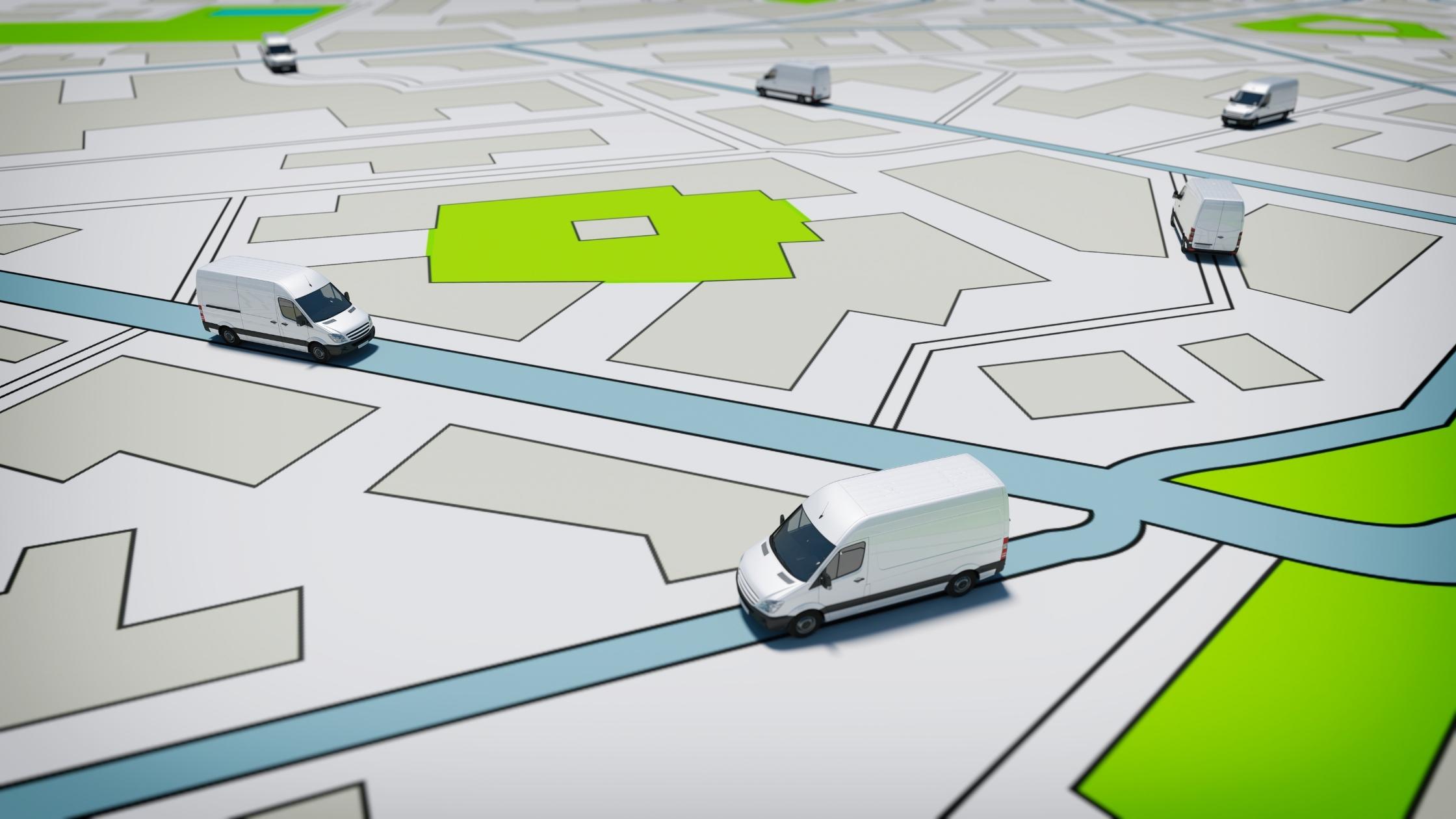
Another benefit of fleet vehicles is the option to integrate GPS. According to a study by the American Transportation Research Institute (ATRI), telematics systems for fleets can lead to a 7% reduction in fuel costs and a 12% decrease in vehicle maintenance expenses. These tools are a helpful part of managing a fleet and can provide real-time data for operations. For instance, GPS technology enables location tracking, helping businesses monitor vehicle routes and delivery timelines with accuracy. Data on vehicle speed, idle time, and fuel consumption can be collected to identify areas where fuel efficiency can be improved, potentially leading to substantial cost reductions. Vehicle diagnostics and maintenance data can also help with maintenance, reducing unexpected breakdowns. Additionally, driver behavior such as harsh braking or speeding can be analyzed to encourage safer driving habits. The integration of data-driven tracking systems in fleet vehicles not only improves efficiency but also translates into cost savings and safety improvements, making it a huge asset for businesses.
Fleet trucks are needed for businesses with service jobs, offering unique solutions to meet different requirements. These vehicles can be customized to handle different tasks, whether it's transporting oversized construction equipment, refrigerated goods, hazardous materials, or performing heavy-duty jobs like towing and lifting. Their versatility means that businesses can efficiently and safely carry out labor-intensive operations, making sure that the job is done correctly and in compliance with industry regulations. Owning specialized fleet trucks can also increase a company's competitiveness, allowing them to take on more projects and serve different customer needs. Whether it's a crane truck for construction, a tanker truck for chemical transport, or a refrigerated truck for food distribution, fleet trucks are important tools in carrying out heavy-duty or specialized operations.
Now that you know how fleet vehicles can help with your business, you'll need to know how to purchase a fleet of trucks for your operations. Below are some steps for getting your fleet in order:
To source vehicles for your business, you should first identify your specific operational needs and budget constraints. Research potential sources, which may include dealerships, manufacturers, auctions, or leasing companies. Evaluate available vehicle options based on factors like upfront costs, fuel efficiency, maintenance requirements, and financing options. Do your due diligence, considering both new and used vehicles as viable choices. Seek recommendations, read reviews, and negotiate terms to secure the best possible deal. You should try to choose fleet vehicles that align with your operational requirements and financial goals while ensuring long-term reliability and cost-efficiency.
Depending on the number of vehicles in your fleet, you might need to hire a fleet manager to help oversee fleet operations. Start by defining the requirements needed for the position. Consider factors like your business goals and the technical skills needed. You can post a detailed job description that outlines responsibilities, qualifications, and desired experience on different job boards. Once you find a few candidates, you can conduct interviews to understand their fleet management knowledge, leadership skills, and problem-solving abilities. It's also important to check references to confirm their work history and performance. By following an organized hiring process, you can find a qualified fleet manager who will supervise your fleet, make operational improvements, and help reach business goals.
To insure a fleet of vehicles, understand your insurance needs based on the type and size of your fleet. Next, research and contact insurance providers that specialize in commercial fleet insurance. Request quotes and carefully evaluate policies, considering factors like liability coverage, physical damage coverage, and cargo coverage. Make sure the selected coverage adequately protects your fleet and aligns with your budget. Prepare a comprehensive list of all vehicles in your fleet, including vehicle details such as make, model, year, VIN, and any modifications. Provide driver information, including driving records and qualifications, and implement safety measures like driver training programs and vehicle maintenance routines to potentially lower insurance premiums. Maintain accurate records, review and update your coverage as needed, and stay informed about industry regulations to make sure your business is compliant and properly insured.
Developing a fleet management plan involves a careful approach to ensure efficient and cost-effective fleet operations. Start by defining maintenance schedules, safety procedures, and compliance protocols in the plan, considering industry regulations and best practices. You should also implement a tracking and scheduling system for vehicle maintenance, repairs, and routine inspections, to make sure that all tasks are documented and completed on time. Establish driver training programs and safety measures to reduce accidents and follow compliance with regulations. You should regularly review and update the plan to adapt to changing business requirements in the industry. Fleet management planning not only improves overall fleet performance but also establishes safety and compliance.
Choosing a fuel card program is another important step you should consider when getting fleet vehicles for your business. Fuel cards can help streamline business expenses and gain better control over fuel-related costs. Choose reputable providers that offer reporting and analytics tools to track fuel usage, expenses, and driver behavior. Look for a fuel card program that has helpful card controls including various purchase restrictions for each driver or vehicle. Fuel cards can also provide data that shows fuel consumption and driver usage for an overview of where your dollars are being spent. When shopping for a fleet card for business, make sure to choose an option that has transparent pricing, no hidden fees, enough coverage for your areas of operation, and excellent customer service.
If you're researching best fuel cards for your fleet truck, consider P-Fleet. We offer trucking fuel cards that give customers access to gas stations and truck stops nationwide, including major and independent brands for flexibility and cost savings. Customers can also choose access to a discount fueling network that offers cost-plus pricing, helping customers save when they fuel. We're also consistently rated as "excellent" by our customers on Trustpilot. If you're ready to get started, sign up for your fuel card today.
1 min read
Fleet monitoring is important for businesses that rely on a fleet of vehicles to carry out their operations. Having a simple and effective fleet...
1 min read
Managing fuel is one of the biggest operational challenges for fleet managers and business owners. The fleet fuel management system you choose plays...
1 min read
If you own a business that has a fleet of vehicles, you might have heard of something called a fleet card, but what is a fleet card exactly? It's a...