
1 min read
The Fleet Manager's Guide to Trucking Logistics
In the fast-paced world of commerce, cargo must move quickly for businesses to operate and fulfill customer objectives. Trucking logistics plays a...

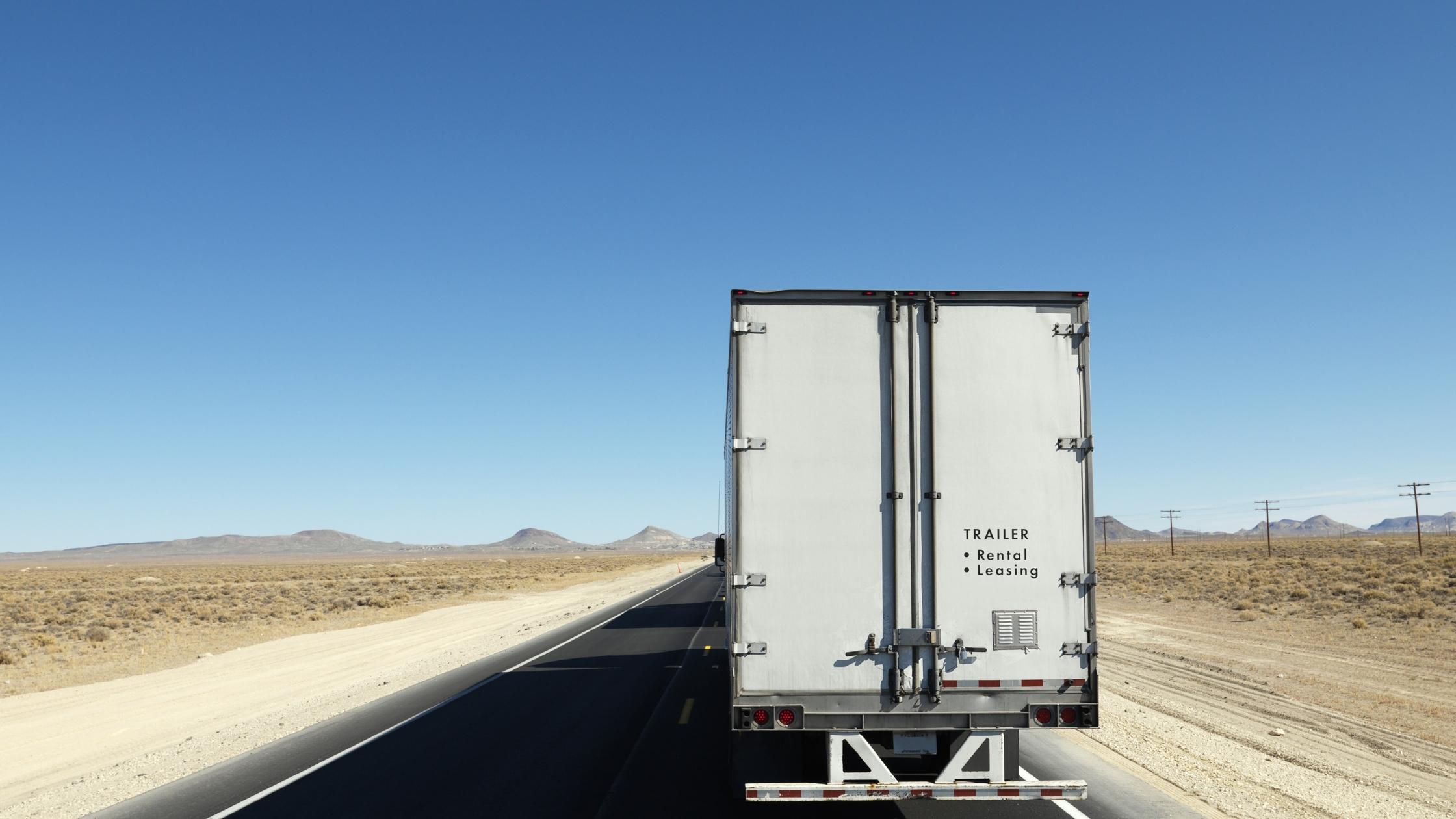
Long haul trucking is a crucial part of the trucking industry and plays a significant role in the global economy. This mode of transportation involves transporting a vast array of goods, including consumer goods, raw materials, and even hazardous materials, over long distances using large trucks. Long haul truckers drive across states and oftentimes the entire country, delivering goods to their destinations, often on tight deadlines and in all kinds of weather conditions.
Long haul trucking can be a demanding job that requires long hours and weeks on the road, but despite these challenges, it also offers a rewarding career for many drivers. In this article, we delve deeper into this type of trucking, exploring what it entails, the challenges that truckers face, and its impact on the economy.
Trucking has been around for almost as long as the automobile itself. In the early days of the automobile, trucks were used primarily to transport goods within a local area. However, as the road network expanded, trucks began to be used for long hauls as well. In the 1920s and 1930s, the federal government began to invest in building a national network of highways, which made long hauls more practical. As the network of highways grew, the trucking industry also grew, and by the 1950s, this type of trucking had become a vital part of the economy.
In the 1970s, the oil crisis and new regulations governing the trucking industry led to a period of consolidation and change. Smaller trucking companies were forced out of business, and larger companies began to dominate the industry. The regulations also led to changes in the types of trucks and trailers used, as well as changes in the ways drivers were paid and the hours they could work. Today, trucking is a highly regulated industry, with strict rules governing everything from the weight and size of the trucks to the hours drivers can work. Despite the regulations, the industry remains vital to the economy, transporting billions of dollars worth of goods each year.
Trucking is essential to our daily lives as consumers, as it enables the transportation of goods across long distances quickly and efficiently. Without this type of trucking, many industries would struggle to operate, and goods would be much more expensive and difficult to obtain.
For example, the food industry relies heavily on trucking to transport fresh produce, meat, and dairy products across the country. Otherwise, it would be challenging to distribute these products quickly and efficiently, leading to increased food prices and shortages. Similarly, the manufacturing industry relies on trucking to transport raw materials and finished products between different factories and warehouses. If this didn't occur, manufacturers would struggle to get the materials they need to produce goods, leading to delays and increased costs. The retail industry also relies on trucking to transport goods from distribution centers to stores across the country. Without trucking, it would be difficult to ensure that stores have enough stock to meet customer demand, leading to empty shelves and frustrated shoppers.
In addition to its importance to the economy, trucking also provides employment opportunities for millions of people worldwide. Truck drivers are often in high demand, and the job can provide a stable income and benefits for those willing to put in the time and effort required to do the work.
Long haul trucking involves a complex network of logistics and planning to ensure that goods are delivered on time and in good condition. When a shipment needs to be transported, a dispatcher or logistics manager will assign the job to a long-haul trucking company. The company will then assign the job to one of their drivers, who will be responsible for transporting the goods to their final destination.
Before the journey begins, the driver will inspect their truck and ensure that it is in good working condition. They will also ensure that the goods are loaded securely and that the weight is distributed evenly to prevent the truck from tipping over. Once the truck is loaded, the driver will begin the journey. Long haul truckers often drive for several days at a time, covering hundreds of miles each day. To stay safe and alert on the road, truckers must take regular breaks to rest, eat, and refuel their trucks. They must also follow strict regulations regarding the number of hours they can drive each day to prevent fatigue and accidents.
Long haul trucks come in a variety of shapes and sizes, each designed to transport different types of goods over long distances. Some of the most common types of long haul trucks include:
Being a long haul trucker is not an easy job. Truckers must navigate various regulations related to safety, load limits and schedules. They also face numerous challenges on the road. Here are some of the challenges to be aware of before considering the profession:
Despite the challenges, long haul trucking can be a satisfying career for those who enjoy traveling and independence. Drivers get to travel across the nation visiting new cities and towns while earning a living. The average long haul truck driver salary varies depending on several factors, including experience, type of cargo, and employer. According to the Bureau of Labor Statistics, as of May 2020, the median annual long haul trucker salary was $47,130. However, the top 10 percent of earners in the industry made more than $66,840 annually, and some drivers have the potential to earn six-figure salaries.
It is important to note that long haul truckers are typically paid based on miles driven, rather than hours worked. This means that the more miles a driver covers, the more they can earn. However, this can also mean that drivers may spend more time on the road to increase their earnings. Some long haul truckers are also paid additional bonuses, such as safety bonuses for accident-free driving or on-time delivery bonuses. Additionally, some trucking companies offer benefits such as health insurance, retirement plans, and paid time off. Overall, the salary of a long haul trucker can vary widely, but it is generally very competitive with other industries that do not require a college degree.
If you're interested in a career as a long haul trucker, then you will need to follow these basic steps to get started in the industry:
Long haul trucking plays a significant role in the global economy, and long haul truckers are the unsung heroes. They work long hours, drive through all types of weather conditions, and sacrifice time away from their families to ensure that goods are delivered on time across the country. Without them, the economy would not function as it does. Aspiring long haul truckers should prepare themselves for life on the road. Research the requirements to become a qualified driver and understand the demands of the job. While challenging, it can also be a rewarding profession that provides a vital service to all of us.
1 min read
In the fast-paced world of commerce, cargo must move quickly for businesses to operate and fulfill customer objectives. Trucking logistics plays a...

1 min read
If you're new to the trucking industry, you might've heard the term, hot shot trucking (or hotshot transport). But what is it exactly? Drivers that...
1 min read
Launching a non CDL box truck business can be a lucrative opportunity for individuals who are looking to become entrepreneurs in the transportation...