How to Start a Box Truck Business
 Kira Odlozil : Jun 21, 2022, 5:17:16 PM
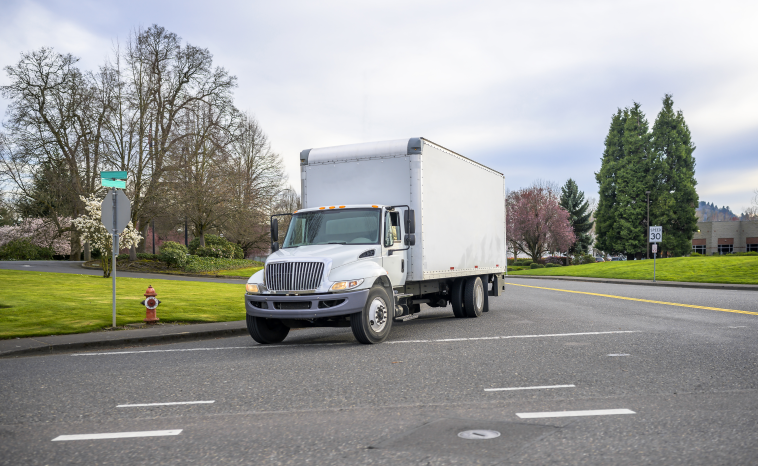
If you're looking for a career that gives you flexibility and offers higher earning potential, then starting a box truck business could be a great...

If you are looking to start your own business in trucking or transportation, then you might consider starting a tow truck business as an option. Tow trucks are relied upon daily in various capacities, whether for hauling vehicles from point A to B, clearing vehicles out of the way, or offering roadside assistance for drivers. Starting a towing company can be a unique opportunity for entrepreneurs looking to enter an industry that has fairly consistent demand. But before you get started, it’s important to understand how to start a tow truck business and the challenges that come with it. Starting a towing business requires careful planning, a clear understanding of the industry, and an effective strategy to keep your business running efficiently. In this article, we'll explain the key steps for how to start a tow truck company so that you can ensure your success.
Running a towing business comes with its unique set of pros and cons that entrepreneurs should consider before getting started.
On the plus side, the demand for towing services is often considered "recession-proof" as roadside incidents, vehicle breakdowns, and enforcement of parking regulations remain steady despite economic conditions. This business also offers the potential for significant revenue, especially if you can secure contracts with municipalities, businesses, or automobile clubs. There is also a sense of community service in helping motorists resolve roadside situations.
On the downside, starting a tow truck business requires a big start-up cost, primarily due to the purchase of tow trucks and insurance premiums. The towing industry is also highly regulated, requiring adherence to various local and state regulations, which can be complex and potentially time-consuming. Additionally, many towing businesses operate on a 24/7 basis, which means long hours and the need for dependable staff. It also means that building a reputation and client base could take time. While a tow truck business can be rewarding, it demands financial investment, compliance with regulations, and a commitment to excellent service.
The towing industry offers a variety of strategic niches servicing different needs. Before creating a tow truck business, you’ll have to consider which services you want to offer. Here's a list of the different types of tow truck businesses that entrepreneurs should consider:
Tow truck business startup costs vary depending on the scale of your operations and the equipment you choose. Initial expenses include the cost of the tow trucks, which can range from $50,000 to $200,000, depending on the type of truck, towing capacity, and whether the vehicle is new or used. You'll also need to budget for insurance, licensing, permits, office space, payroll, and even marketing. Having startup capital is essential for getting your business off the ground, and sometimes the initial costs can be intimidating. If you do not have the finances yourself, then you will want to know how to get a business loan to start a towing company. Having a business loan will help you finance your semi trucks and other business expenses.
To operate a tow truck business legally, you'll need to obtain the necessary licenses and permits. These requirements vary by location but typically include a business license, a commercial driver's license (CDL), and a tow truck permit. Check with your local city or county government and the Department of Transportation to ensure you meet all the necessary legal requirements:
Insurance is required in the towing industry due to the high risks involved. You will need several types of insurance, including liability insurance, property damage insurance, and workers' compensation insurance. These policies protect your business from lawsuits, accidents, and injuries that can occur during towing operations. Below are some of the insurance options you should consider obtaining when starting a towing company:
Your tow trucks are the core of your business. When starting, you may opt for a single truck and then expand your fleet as your business grows. Consider the types of towing you plan to offer (e.g., light-duty, medium-duty, heavy-duty) to determine the right truck for your needs. Additionally, invest in quality towing equipment and maintenance tools to ensure your services are efficient and reliable.
Skilled and certified drivers are essential for a successful tow truck business. Hire experienced drivers with clean driving records and the required certifications. Providing ongoing training and competitive salaries will help you attract and retain reliable workers. You might also want to consider hiring administrative staff to handle customer service, dispatch, and billing.
A strong marketing strategy is important for attracting customers to your towing business. Create a professional website, use social media platforms, and consider local advertising to raise awareness of your services. Networking with local businesses like auto repair shops and dealerships can also spread awareness to increase business.
The key to a successful towing business is providing excellent customer service. Make sure your team is responsive, professional, and courteous when taking care of your customers. Offering 24/7 service can give you an edge over competitors and meet the needs of customers in emergency situations. Consistently delivering reliable and high-quality service will help build your reputation and encourage repeat business.
Starting and running a tow truck business can be a rewarding opportunity, but it often involves navigating challenges, from securing the necessary licenses and insurance to managing operational costs. One key aspect of controlling costs and operational efficiency is managing fuel expenses, which are significant for any company in trucking or transportation. Fleet fuel cards offer a comprehensive solution to this challenge, providing business owners and fleet managers with the ability to monitor and control fueling closely. With features like customized spending limits, detailed reporting, and the ability to track fuel efficiency across vehicles, P-Fleet's fuel card solutions can help tow truck companies optimize their operations. By leveraging the benefits of towing company fuel cards, business owners can minimize their fuel expenses and help increase the overall profitability and success of their company.

 Kira Odlozil : Jun 21, 2022, 5:17:16 PM
If you're looking for a career that gives you flexibility and offers higher earning potential, then starting a box truck business could be a great...
 Kira Odlozil : Apr 28, 2023, 2:30:56 PM
Figuring out how to start a delivery business isn't easy, but it can be exciting if you have an entrepreneurial spirit and want to be your own boss.

 P-Fleet Staff : Oct 17, 2019, 9:47:50 AM
This post outlines how to start a trucking business, from the initial filing to finding opportunities for growth.