1 min read
7 Essential Tips for Effective Fleet Monitoring
Fleet monitoring is important for businesses that rely on a fleet of vehicles to carry out their operations. Having a simple and effective fleet...

In today's fast-paced world, businesses that rely on fleet operations must prioritize fleet vehicle maintenance to ensure optimal performance, efficiency, and reliability. Maintenance goes beyond simply fixing broken vehicles; it involves proactive measures to prevent breakdowns, reduce costs, and enhance safety. In this blog post, we will delve into the significance of vehicle maintenance and explore strategies for achieving a better fleet maintenance program.
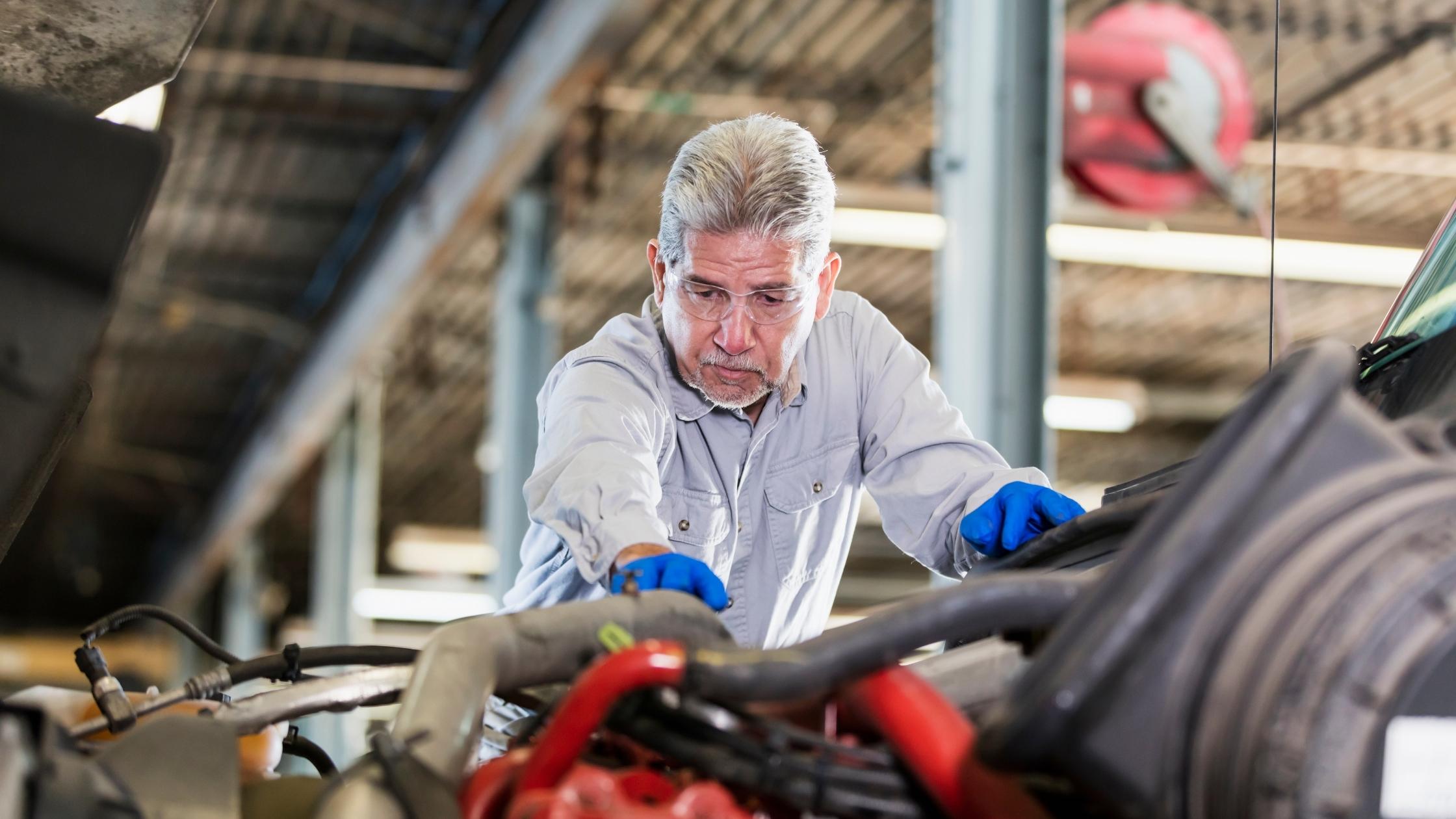
Fleet vehicle maintenance is the management of a fleet of vehicles or equipment to ensure their optimal performance, reliability, safety, and longevity. It involves regular inspections, servicing, repairs, and preventive measures to identify and address potential issues before they escalate into major problems. It includes tasks such as oil changes, tire rotations, brake inspections, fluid replacements, filter changes, and general upkeep of vehicles or equipment. The goal of consistent maintenance is to minimize downtime, reduce operational costs, enhance efficiency, and promote the safety of drivers and the public.
Regular maintenance is key to minimizing operational costs. By conducting routine inspections, identifying potential issues, and addressing them promptly, businesses can prevent major breakdowns and expensive repairs. Preventive maintenance, such as oil changes, tire rotations, and filter replacements, keeps vehicles in peak condition, improving fuel efficiency and reducing overall maintenance expenses. Well-maintained vehicles also experience fewer accidents and extend their lifespan, resulting in long-term cost savings.
Vehicle maintenance plays a vital role in ensuring the reliability and safety of operations. Regular inspections and maintenance procedures detect potential problems before they escalate, reducing the risk of vehicle breakdowns and unexpected downtime. Well-maintained vehicles are less likely to experience mechanical failures or malfunctions that could compromise the safety of drivers and other road users. Prioritizing safety through proper maintenance can also lead to lower insurance premiums and legal compliance.
Efficient fleet operations are crucial for meeting customer demands, optimizing routes, and improving overall productivity. Regular maintenance helps identify and rectify issues such as engine inefficiencies, poor fuel economy, or faulty components that can impede performance. Ensuring vehicles are in top working condition contributes to faster response times, on-time deliveries, and improved customer satisfaction. A well-maintained fleet also reduces the risk of unexpected breakdowns that could disrupt operations and cause delays.
Developing and adhering to a preventive maintenance schedule is essential for maintaining fleet health. Create a comprehensive checklist that covers key maintenance tasks, including oil changes, tire inspections, brake checks, fluid replacements, and filter changes. Ensure each vehicle's maintenance history is recorded, making it easier to track and schedule routine services. Consider using fleet management software to automate maintenance reminders and track vehicle-specific maintenance needs.
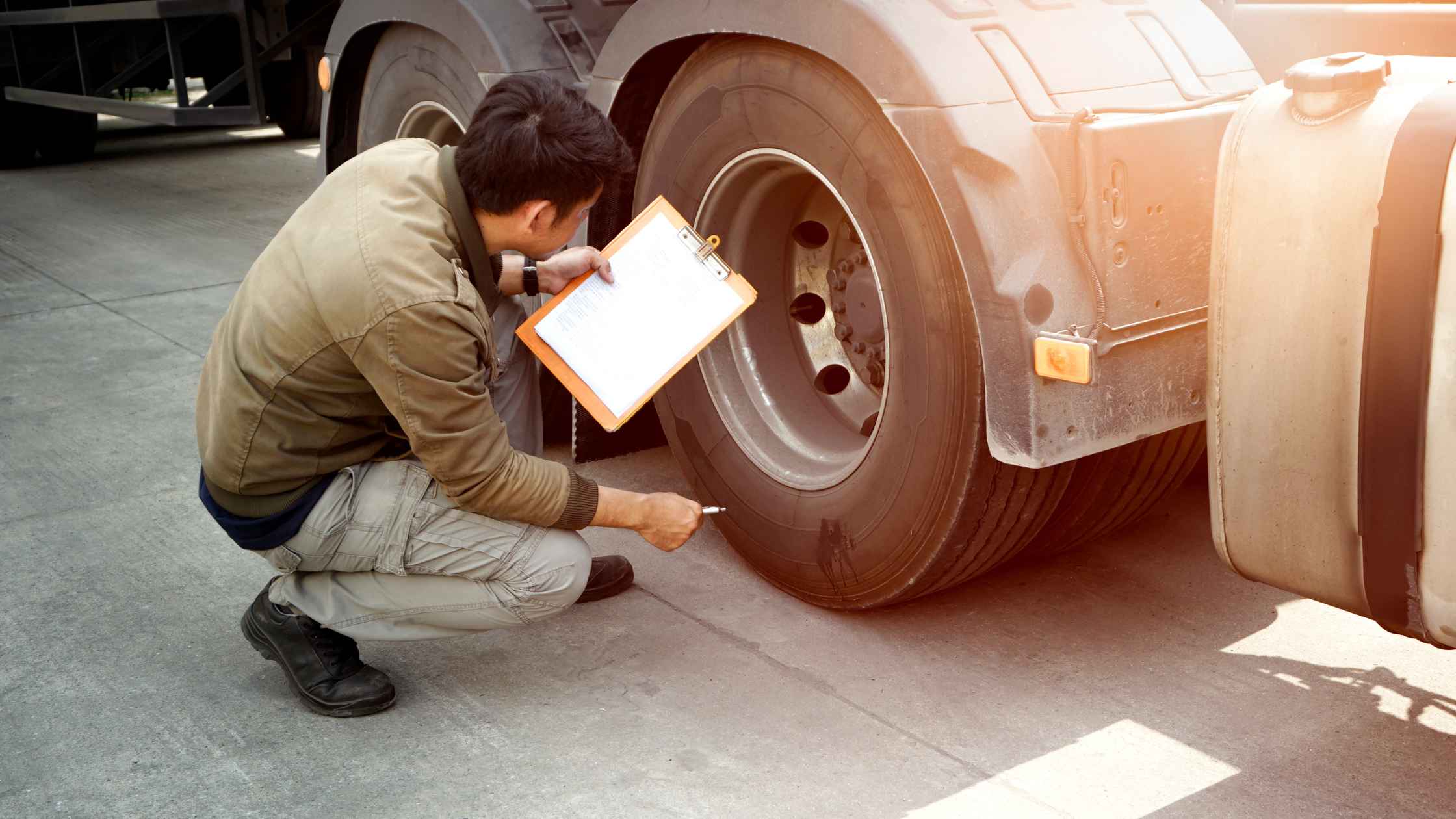
Drivers play a critical role in their vehicle's maintenance. Educate them about the importance of reporting any vehicle issues promptly, such as unusual sounds, vibrations, or warning lights. Encourage them to conduct pre and post-trip inspections, including tire pressure checks, fluid level inspections, and visual assessments of key components. Provide training on fuel-efficient driving techniques and the significance of following recommended maintenance intervals. Drivers should be empowered to take ownership of their vehicles' well-being.
Establishing relationships with reputable service providers, such as mechanics, auto repair shops, and tire vendors, is vital for efficient maintenance. Conduct thorough research, read reviews, and evaluate their expertise and responsiveness. Look for service providers who specialize in fleet vehicle maintenance, as they will have a better understanding of your unique needs. Regularly communicate with your service partners to ensure efficient coordination and stay informed about the latest maintenance trends.
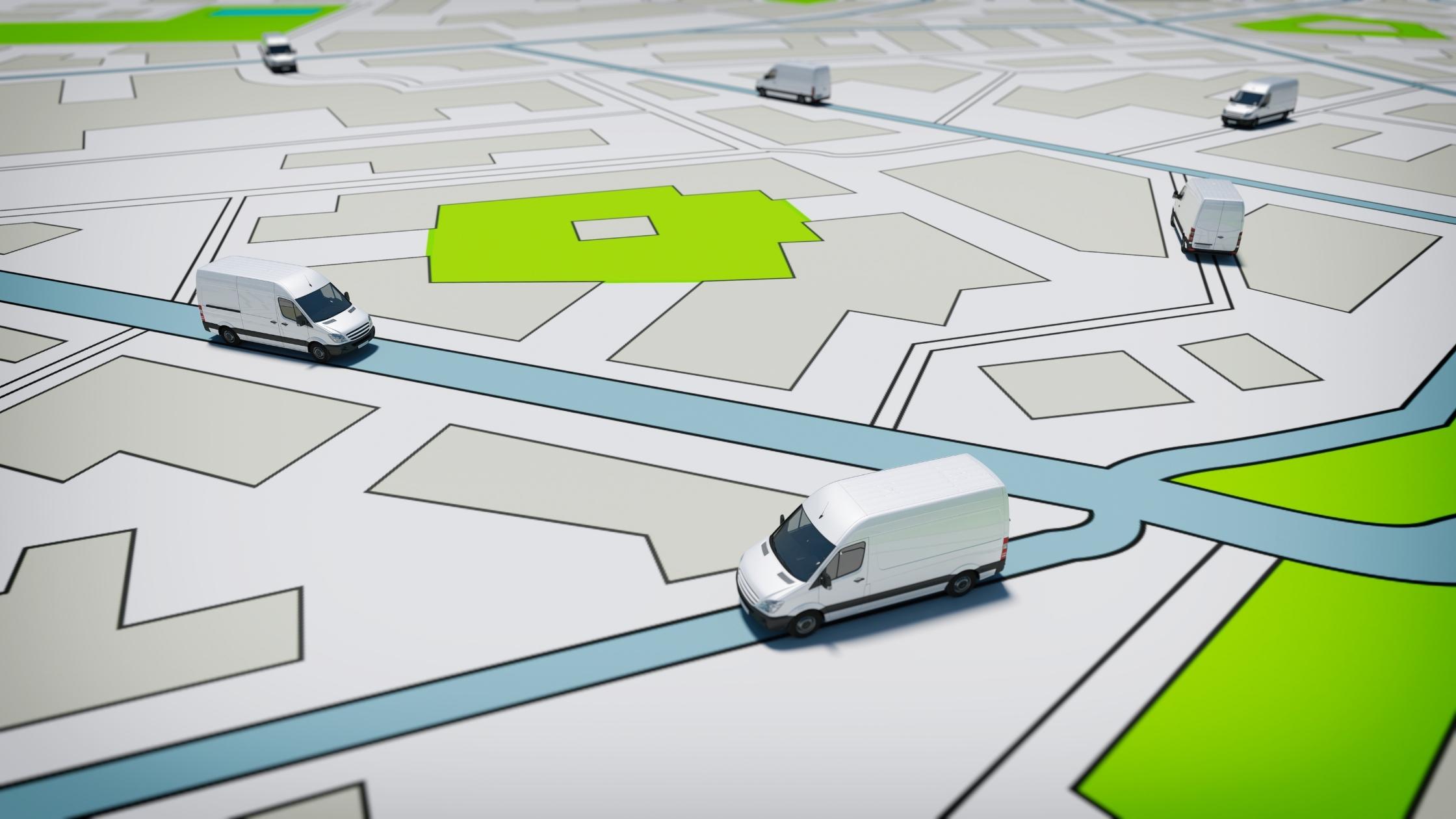
Leverage technology to streamline maintenance processes. Fleet maintenance software provides valuable insights into vehicle diagnostics, maintenance histories, and upcoming service requirements. It can generate automated maintenance reminders, schedule service appointments, and track expenses. Additionally, telematics systems can monitor vehicle performance in real-time, enabling proactive maintenance and optimizing fleet efficiency.
Tracking and analyzing relevant key performance indicators (KPIs) helps identify areas for improvement and measure the effectiveness of your vehicle maintenance efforts. Some important KPIs to consider include:
An effective fleet maintenance program is crucial for businesses that rely on fleet operations to drive success. By recognizing the importance of maintenance and implementing proactive strategies, organizations can reduce costs, enhance reliability and safety, and improve overall efficiency. A comprehensive preventive maintenance schedule, driver education, reliable service partnerships, fleet maintenance software, and KPI tracking are key components for achieving better maintenance practices. Prioritizing fleet vehicle maintenance not only extends the lifespan of vehicles but also ensures smoother operations, increased customer satisfaction, and a competitive edge in the market.
1 min read
Fleet monitoring is important for businesses that rely on a fleet of vehicles to carry out their operations. Having a simple and effective fleet...
1 min read
What is a fleet plan and what does it entail?A fleet plan is a set of guidelines made by fleet operators to manage and maintain their fleet of...
1 min read
What is a maintenance log book and how do fleets benefit by using one?An equipment maintenance log records the relevant information related to...